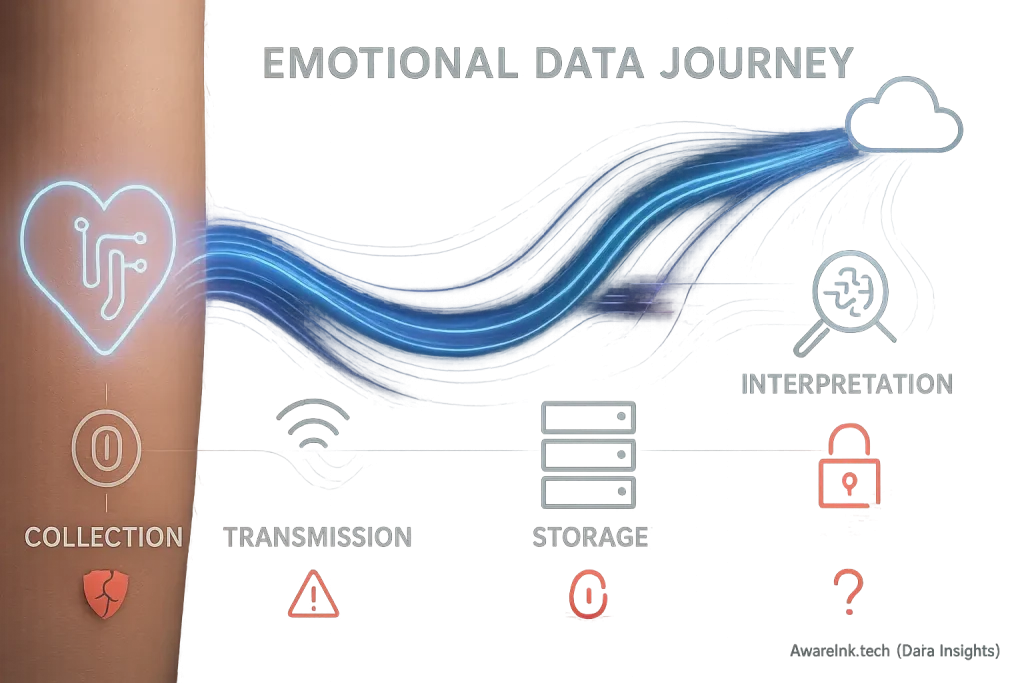
Beyond the Surface: Why Dive into Advanced Mood Tech?
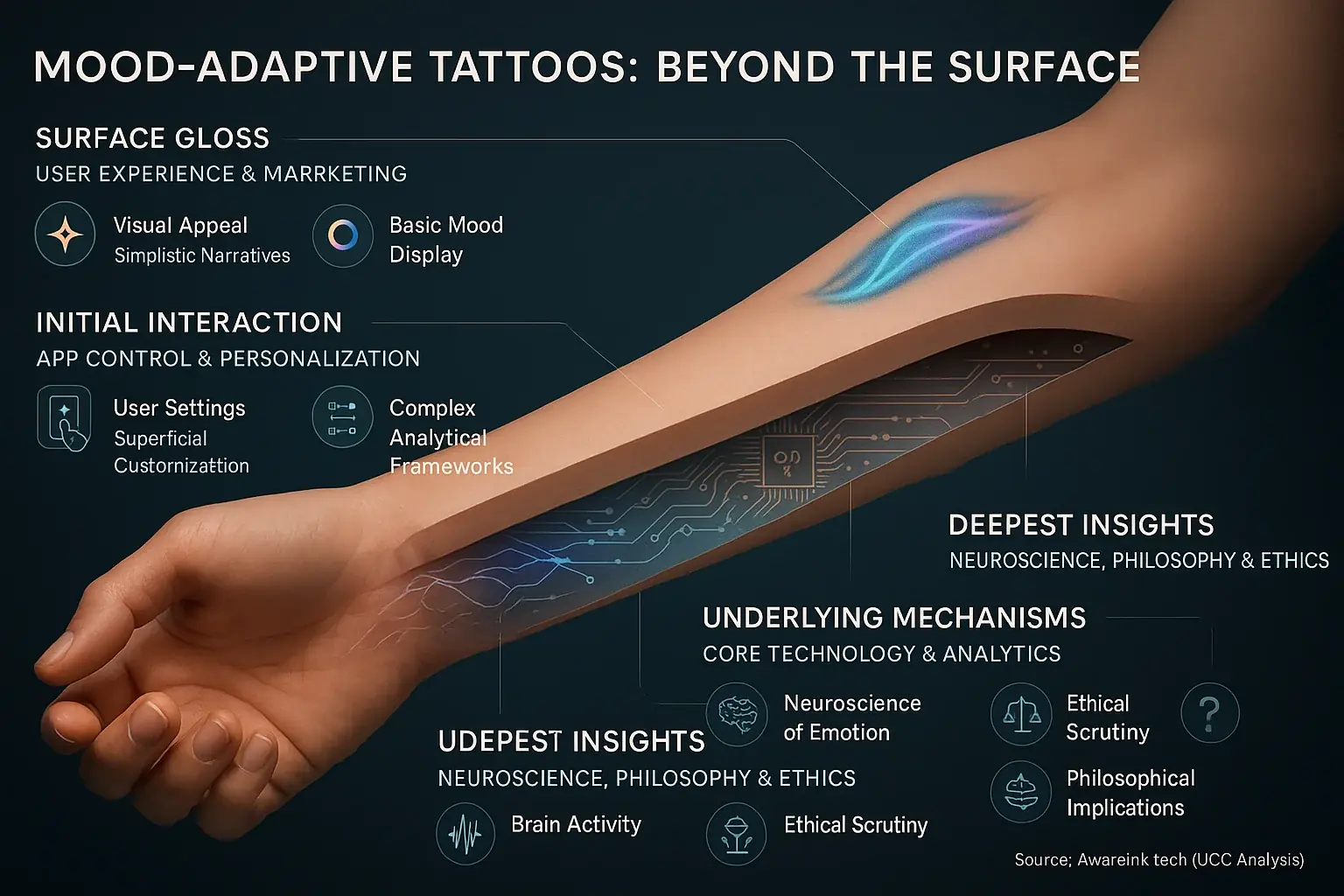
What makes mood-adaptive smart tattoos tick? Marketing buzz presents surface gloss. Real mechanisms lie beneath. This platform explores those depths. AwareInk.tech serves your deep curiosity. We move beyond simplistic narratives.
The underlying science matters. Its philosophy also holds keys. Deep insight inhabits unspoken truths. Complex interconnections reveal much. Consumer-level content rarely touches these elements. This deep dive empowers you. You become a discerning connoisseur of real innovation.
Exciting frontiers demand rigorous exploration. We will delve into the neuroscience of emotion. AwareInk.tech dissects complex analytical frameworks. Ethical dimensions receive our focused scrutiny. We are your trusted guide through these intricate domains. Understanding deepens. The future of mood technology unfolds.
The Brain-Skin Connection: Unpacking Emotion Detection's Neuroscience
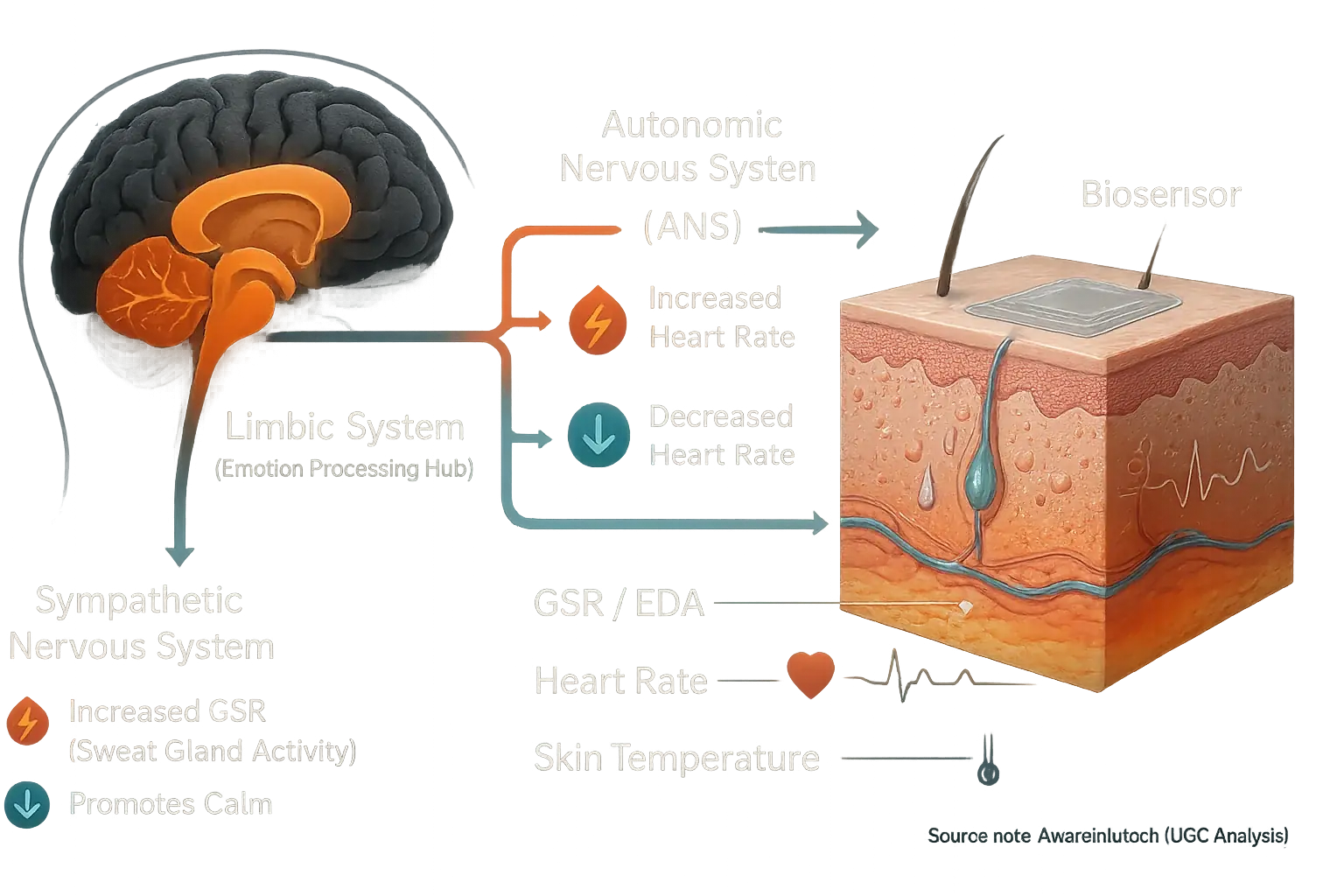
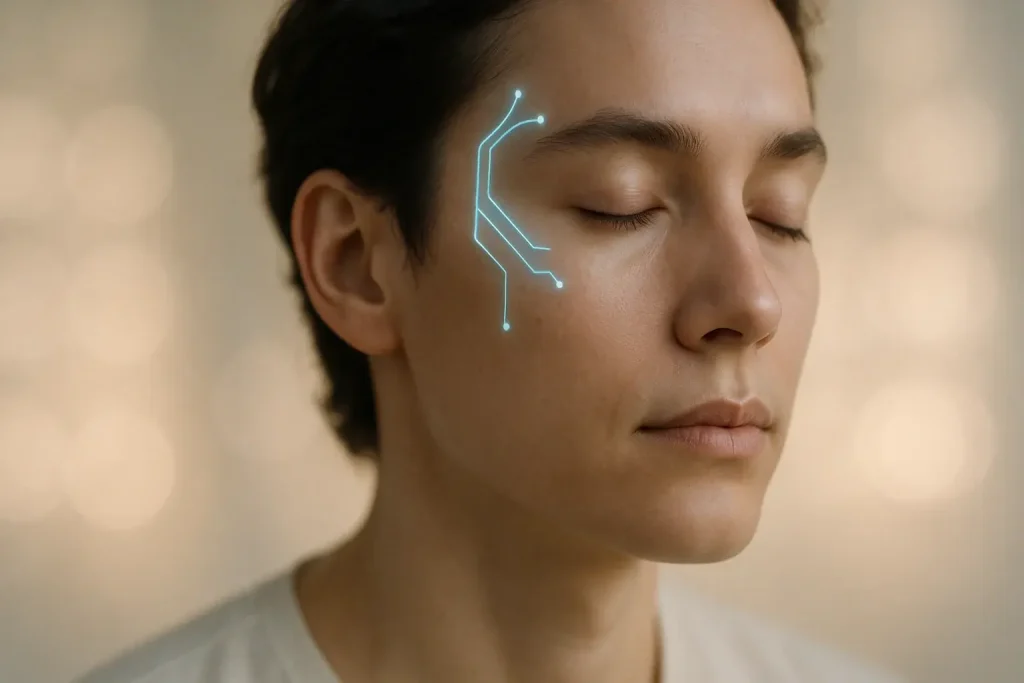
Your brain directly influences your skin's state. Constantly. The Autonomic Nervous System (ANS) functions as your body’s internal command center for many automatic processes. This system has two primary arms: the sympathetic branch prepares you for action, while the parasympathetic branch promotes calm and recovery. AwareInk.tech's analysis of neuroscientific principles shows these ANS branches orchestrate changes in heart rate, skin temperature, and sweat gland activity, creating signals smart tattoos can measure as Galvanic Skin Response (GSR) or Electrodermal Activity (EDA).
Smart tattoos do not read emotions directly. This is a crucial distinction. They detect physiological correlates – physical signs linked to emotional states. Your brain's limbic system, its emotional processing hub, triggers the Autonomic Nervous System into action. Imagine you feel a sudden wave of anxiety; your smart tattoo might register heightened GSR. This change reflects your body's stress response, a downstream effect originating from limbic activity, not a direct mind-read.
Interpreting these physiological signals requires nuance. Why? Because the signals are often ambiguous. An elevated heart rate could indicate excitement. Or fear. Or even physical exertion. Our understanding of physiological responses, supported by broad scientific research, confirms that similar bodily responses can stem from very different emotional or non-emotional triggers. This challenge, sometimes termed reverse inference, means raw data alone cannot definitively name an emotion; context and your self-awareness are vital for accurate understanding.
Understanding this brain-skin connection empowers you. It transforms raw data from your smart tattoo into a more meaningful tool for self-reflection. You learn to interpret its signals not as absolute emotional diagnoses, but as valuable clues. This knowledge fosters a more informed, responsible engagement with mood-adaptive technology, enhancing personal insight rather than offering simplistic labels. Your awareness becomes the final interpreter.
Biohacking Your Vibe: Advanced Mood Management with Smart Tattoos
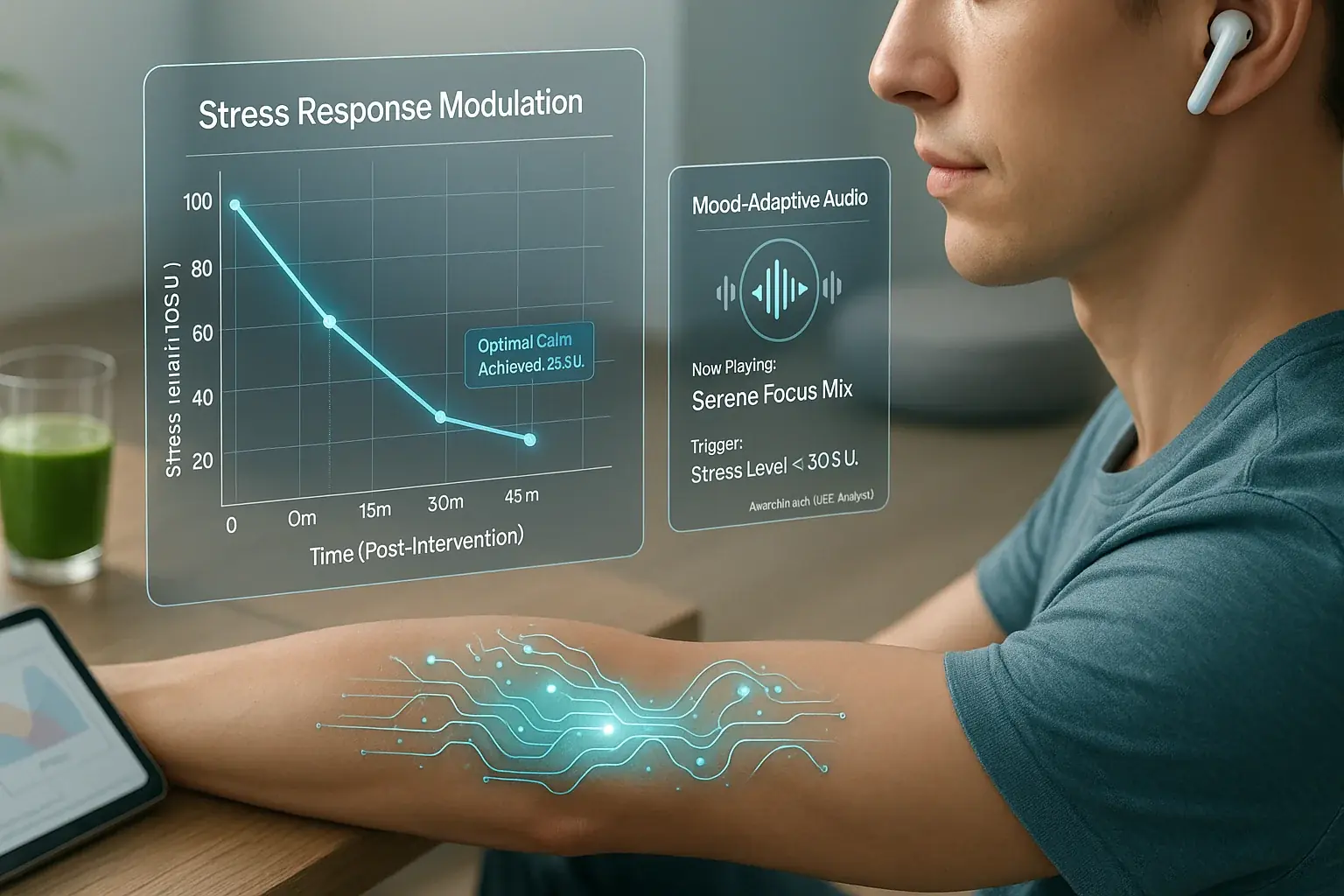
Biohacking your mood is a bold frontier. Smart tattoos provide continuous emotional data for this deep personal exploration. This rich data stream offers self-quantifiers unprecedented insight into their inner states. What if you could track your emotional response to every supplement, every diet change, every meditation session? The emerging patterns could reveal profound connections.
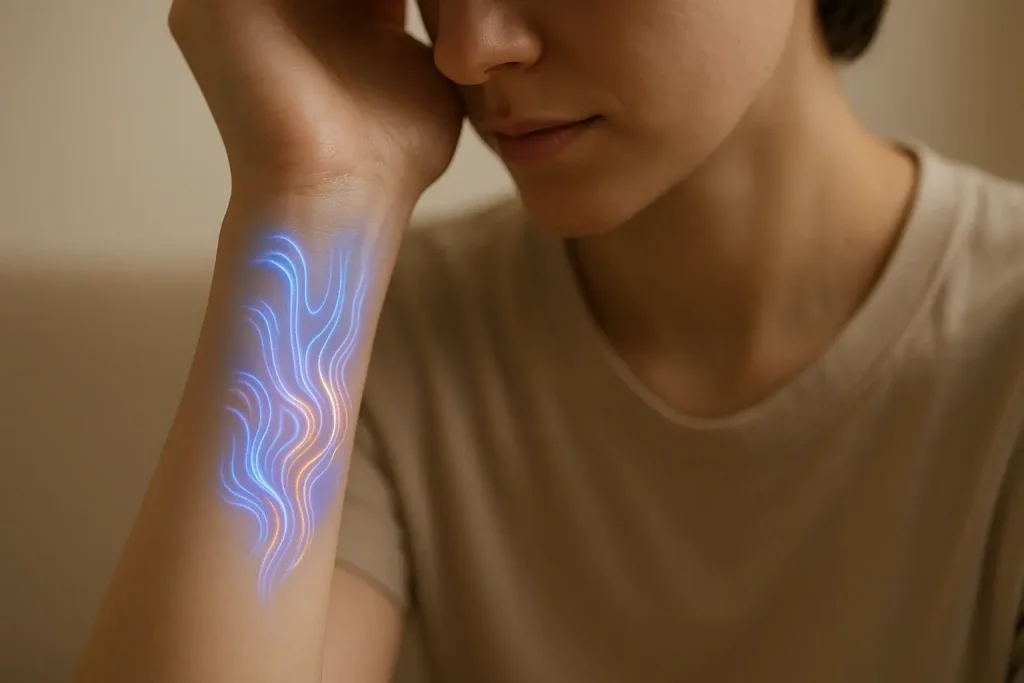
This technology enables deep personalized emotional experimentation. Users can identify what truly shifts their mood or sharpens their focus. Imagine a biohacker testing a new nootropic. Their smart tattoo visually confirms lower stress levels post-intake, a clear data point from their own body. Some foresee future tattoos triggering personalized music or even targeted aromatherapy based on real-time mood analysis.
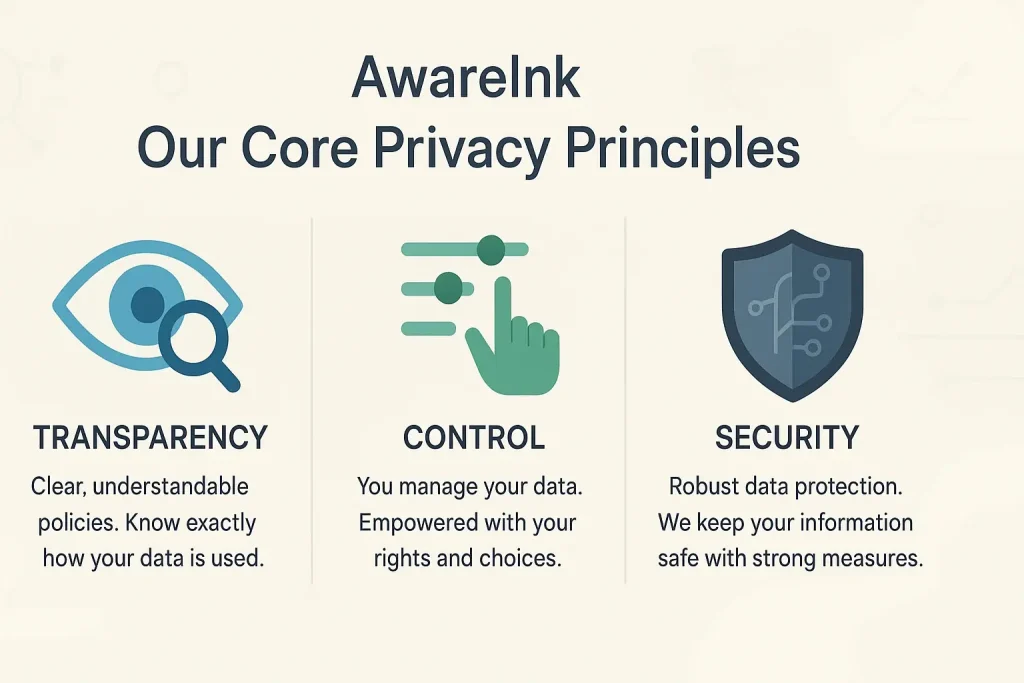
Powerful tools demand careful, conscious use. The unspoken truth in biohacking circles? Data obsession is a real risk. Continuous emotional tracking might distort authentic feeling, a concern highlighted by early adopters of similar tech. Many users also express valid worries about emotional data privacy and personal autonomy. AwareInk.tech's synthesis of expert opinion underscores a critical need for mindful self-experimentation to ensure healthy technology integration.
Smart tattoos could revolutionize deep self-understanding for dedicated personal optimizers. They offer a unique, intimate lens on your inner emotional landscape. The ultimate goal, however, must always remain holistic well-being. Not just isolated data points. Explore this potential wisely.
The Feeling Algorithm: AI's Evolving Role in Mood-Adaptive Technologies
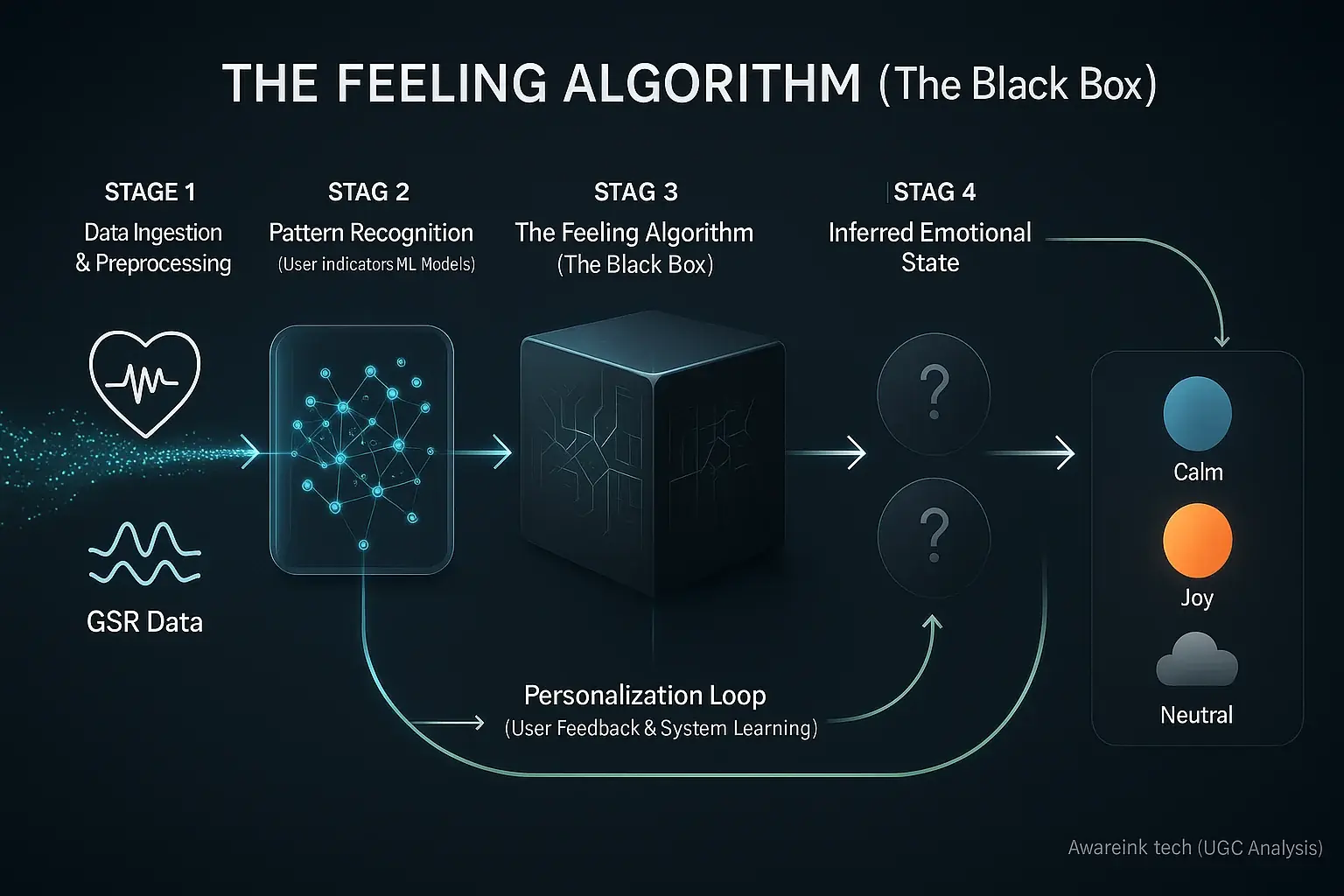
Community feedback processes transform raw physiological signals into understandable emotional insights. Smart tattoos generate constant data streams. These numbers mean little alone. Sophisticated analytical processes must interpret these complex bio-signatures with nuance for users. The question arises. How does heart rate data become a 'calm' reading?
Machine learning models identify subtle patterns within your biosignals. This is advanced pattern recognition. Community experiences then personalize emotional interpretations, learning an individual's specific physiological baseline over time. Imagine your new tattoo misreads initial excitement as stress. Through ongoing community feedback, the system learns your distinct 'excited' signature, improving accuracy. Many users report this learning process.
The unspoken truth involves complex ethical considerations with these technologies. One major issue is the 'black box'. Analytical processes can reach conclusions through non-transparent internal workings. This opacity hinders validation of fairness, AwareInk's research confirms. Algorithmic bias presents another real danger. If training data reflects societal biases, systems may misinterpret emotions for certain groups. Human oversight becomes vital for responsible system development.
Community feedback offers potential for personalized emotional insights via mood-adaptive technology. The benefits could be substantial. This power demands unwavering commitment to responsible development. Transparency in how systems analyze emotional data is essential. Users deserve this. Can our systems genuinely understand emotion, or merely reflect patterns? AwareInk continues exploring this question.
Beyond Silicon: Groundbreaking Material Science in Next-Gen Smart Tattoos
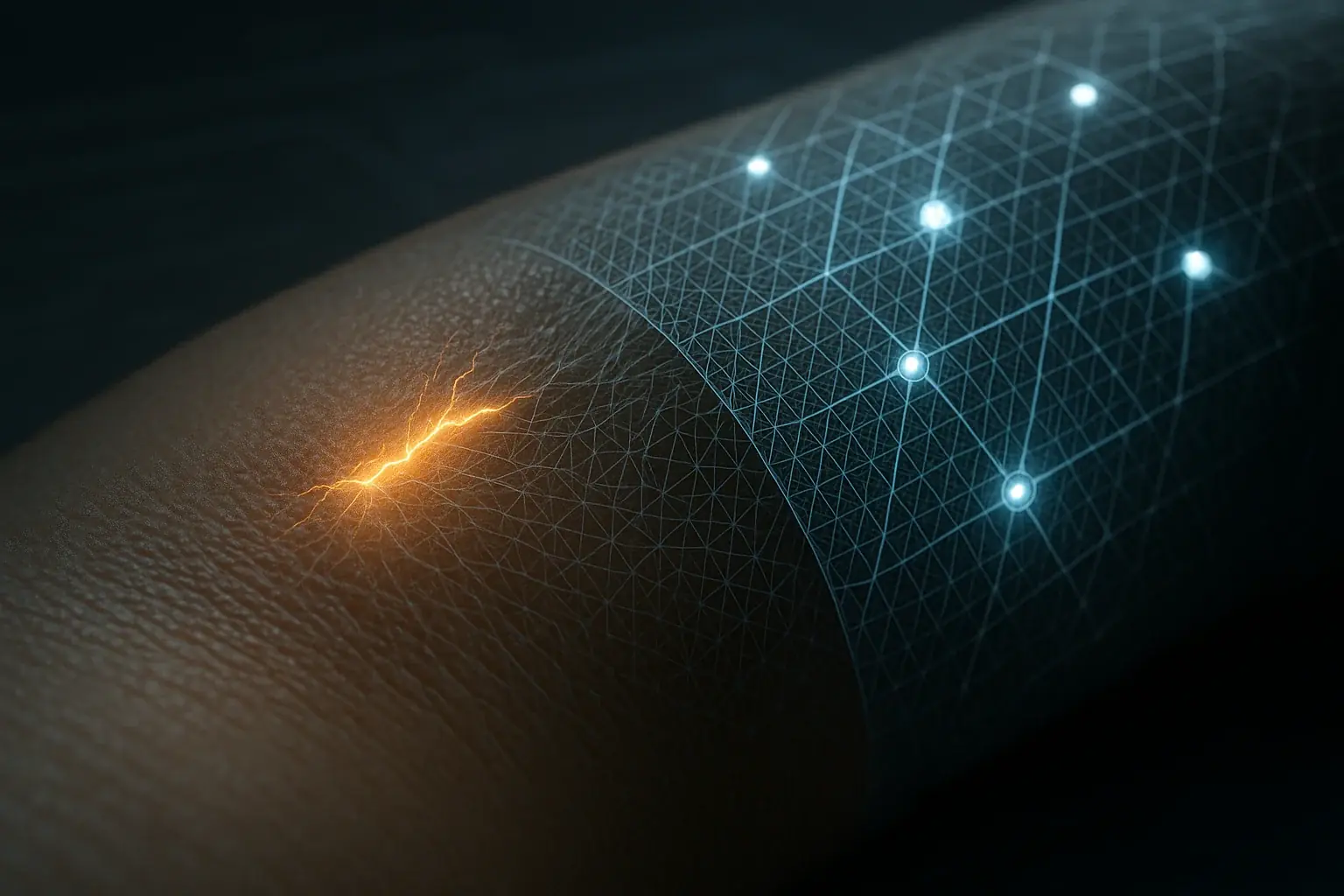
Smart tattoos capture widespread imagination. Their deepest secret? The materials. These advanced systems form the tattoo's core structure, its interface with life. Beyond the algorithms, beyond the immediate data, the physical 'skin' of these future devices is an engineering marvel. How do you make electronics truly skin-like, flexible enough for constant movement? Yet, how can they also be durable enough for the rigors of daily existence?
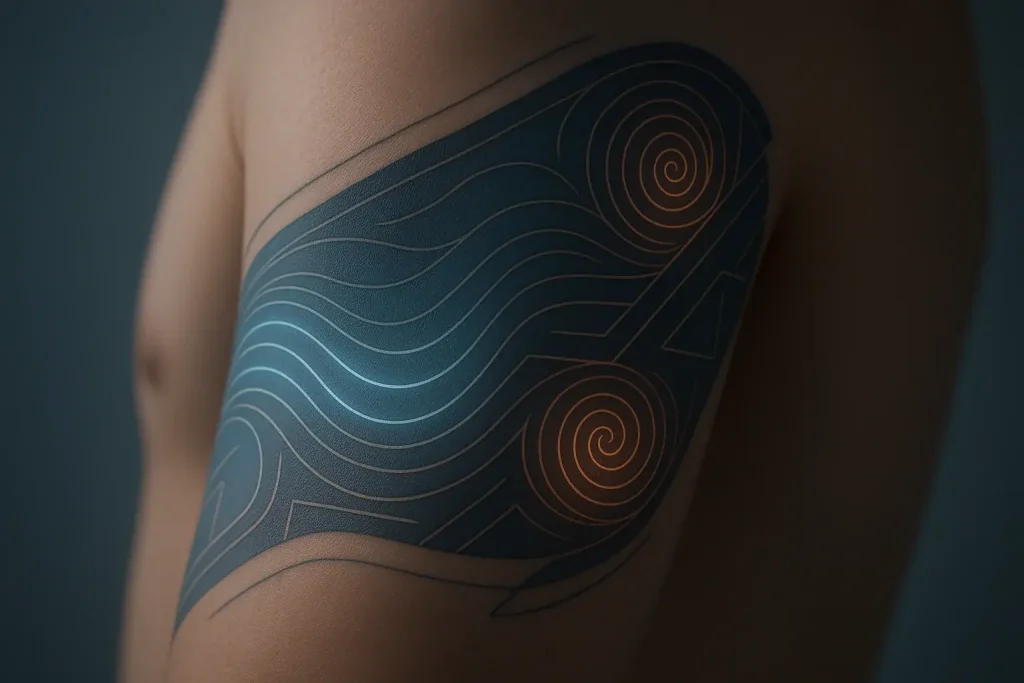
Researchers explore self-healing polymers. These advanced substances can autonomously mend minor damages. Nanomesh electronics offer another revolutionary path. They construct circuits using ultra-thin, almost invisible conductive meshes. Imagine you accidentally scratch your advanced smart tattoo. The next morning, the blemish has simply vanished. This is the clear benefit of self-healing components, a practical revolution for wearable technology.
The pursuit of perfect harmony continues. Performance must align with lasting durability. Absolute biocompatibility is non-negotiable for any on-skin device. AwareInk’s synthesis of current research underscores this complex balancing act. Long-term material stability on dynamic human skin presents considerable, ongoing research challenges. Self-healing polymers, for instance, markedly extend a tattoo's functional lifespan by repairing small tears or punctures . Nanomesh electronics enable exceptionally flexible, transparent sensors for continuous, unobtrusive physiological monitoring . Biodegradable conductors represent another key development, designed for temporary smart tattoos that dissolve safely within the body after use .
These material science frontiers illuminate the path forward. Future smart tattoos will merge almost invisibly with our bodies. They promise exceptional comfort. Wearers will find them nearly indistinguishable from natural skin. Their functional capabilities will expand far beyond our current conceptions, enhancing life in ways we are only beginning to foresee.
To Feel or To Track? Navigating Ethical & Philosophical Debates
Mood-adaptive smart tattoos present profound questions. They touch our core humanity. If a tattoo signals anxiety, does your experience of anxiety shift? Does this technology diminish your innate capacity to simply feel? The boundary blurs.
Technology can extend human capabilities. Or it becomes a crutch. Constant external emotional feedback might dull your own introspection. AwareInk.tech's analysis suggests some users could face this. Imagine this scene. Your device is off. Suddenly, identifying your own unease feels foreign. It becomes a forgotten skill. How deeply do we want technology interwoven with our self-awareness?
Emotional authenticity faces a new test. Does a tech-signaled emotion reflect true feeling? Or does it encourage a performance? Critics argue constant monitoring can undermine genuine emotional expression, as people might conform to displayed norms. An 'emotionally transparent' society, where feelings are broadcast, creates immense privacy dilemmas. Sensitive emotional data, if misused, could lead to discrimination or manipulation, eroding personal autonomy. This technology demands we scrutinize who truly benefits from such openness.
These questions lack easy answers. This is not just about cool tech. AwareInk.tech emphasizes that understanding these deeper implications matters greatly. We must examine the long-term shaping of self. We must weigh convenience against consciousness before fully embracing such intimate tools. What kind of future are we tattooing onto ourselves?
The Horizon of Innovation: What's Next in Mood Tech Research?
Our gaze turns toward tomorrow. Mood-adaptive smart tattoos mark a beginning. Their true evolution unfolds. What breakthroughs do researchers pursue? How will these devices become even more insightful? AwareInk.tech monitors this frontier.
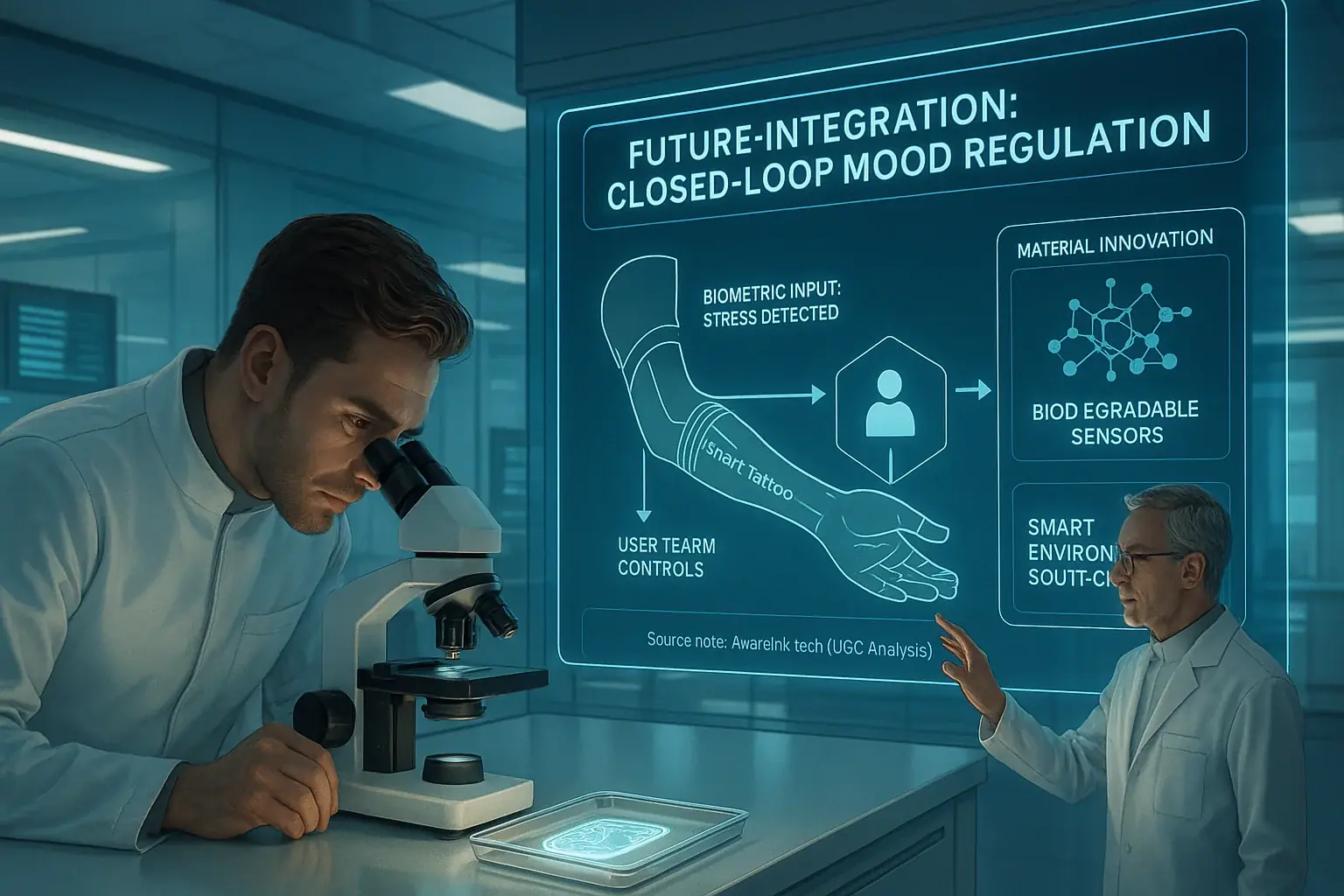
Scientists explore biodegradable sensors. These materials could dissolve harmlessly within the body after their operational life. Imagine your tattoo detects rising stress levels. Your smart home environment then subtly dims the lights, adjusting automatically. This illustrates a closed-loop feedback system. It adapts your surroundings based on your internal state. AwareInk.tech's synthesis of research patterns shows this is a key development area. New material science also fuels progress, aiming for enhanced flexibility and durability.
This journey requires immense scientific effort. Ethical considerations are paramount for responsible development. Advanced insights system systems will interpret complex emotional data with greater precision. Nuance will deepen understanding derived from these devices. AwareInk.tech's analysis of research directions highlights this consistent drive. Researchers are actively creating algorithms for more accurate, personalized health monitoring through smart tattoos. The path to these advanced tattoos is challenging. The potential benefits are significant.
Future mood technology promises profound integration into daily life. Responsiveness will redefine personal wellness tools. Energy harvesting concepts intrigue scientists; self-powering tattoos represent a long-term goal. Conceptual neural interfaces sketch another speculative, yet fascinating, horizon for direct mind-device interaction. AwareInk.tech will continue to track these exciting advancements. We guide you through this evolving technological landscape.
Navigating the Future: AwareInk's Commitment to Advanced Insights

Advanced mood tech concepts build crucial understanding. This field is complex and evolves rapidly. AwareInk's analysis shows deeper knowledge empowers you to grasp potential and navigate challenges.
AwareInk acts as your committed guide. This tech space evolves. We continuously explore, analyze, and demystify these frontiers for you. Our goal is clarity.
Responsible tech adoption steers AwareInk. Your well-being is paramount. Continuous learning is our promise. Responsible innovation defines AwareInk's future vision.