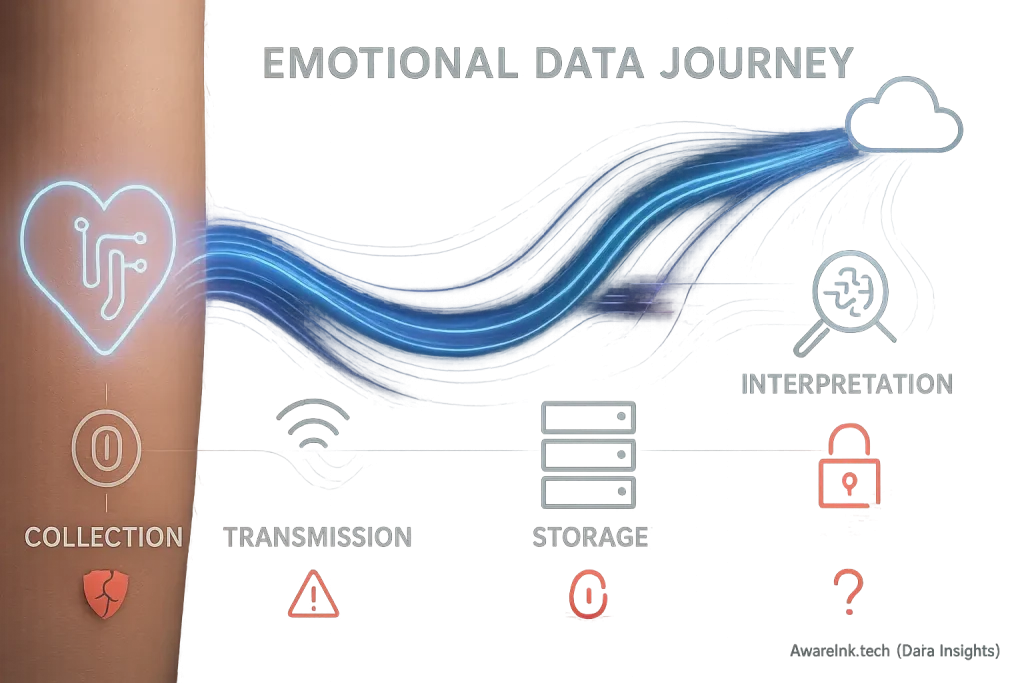
The Social Skin: When Emotions Become Visible

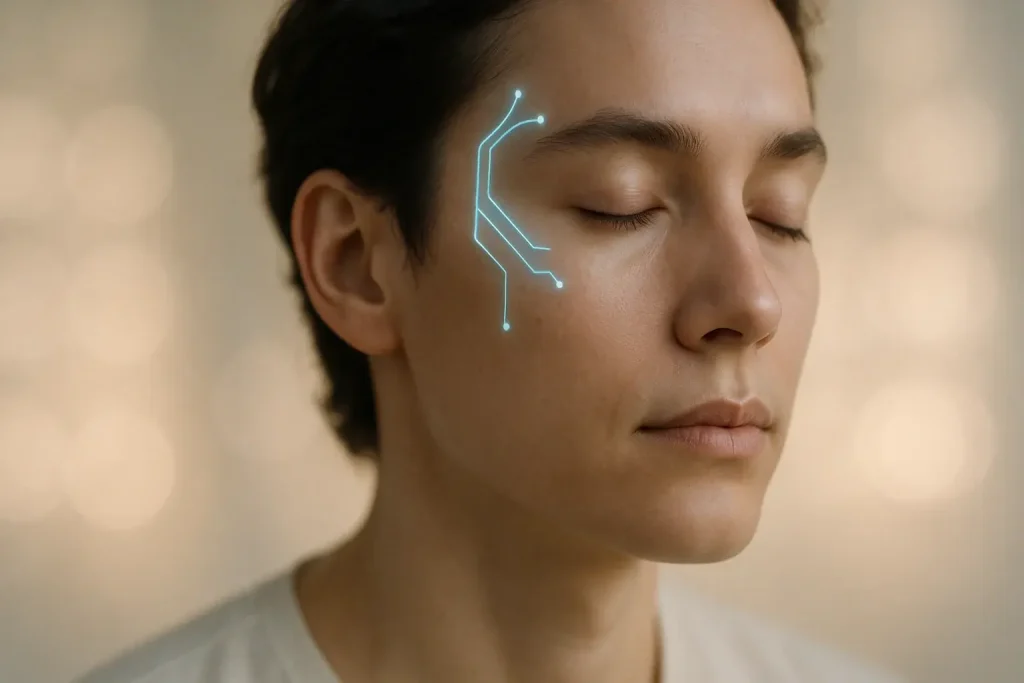
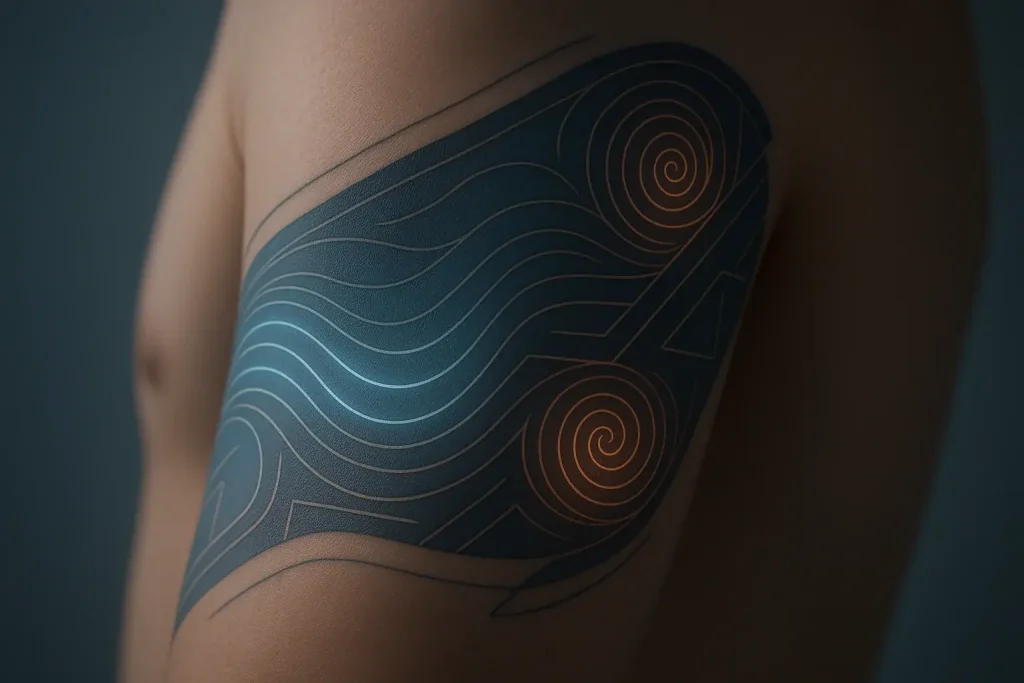
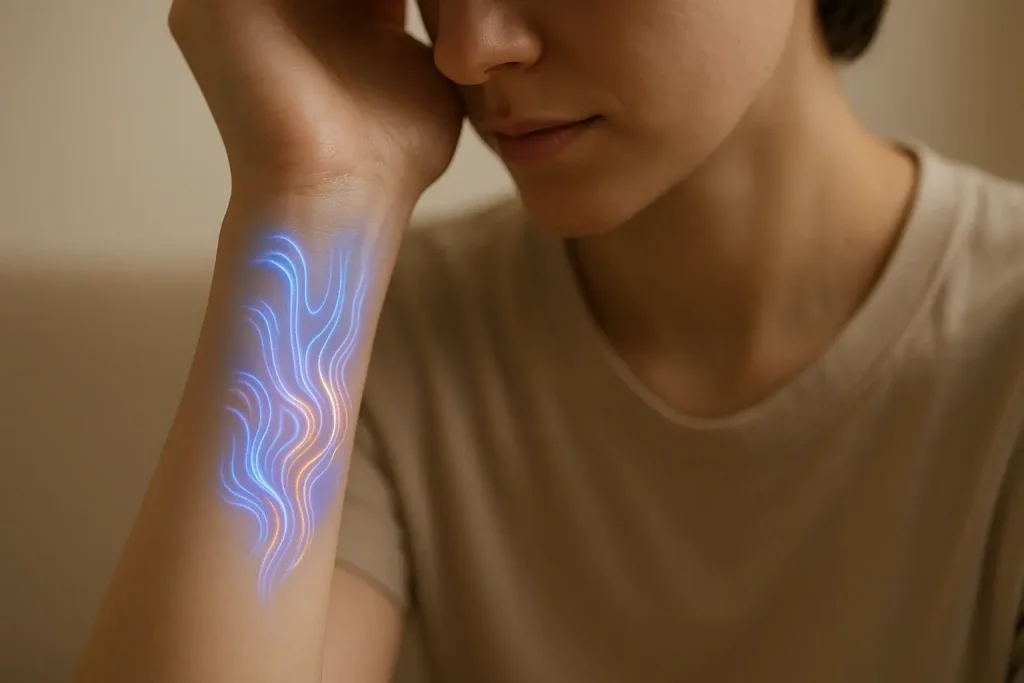
Imagine your feelings. No longer just internal. A dynamic, subtle display on your very skin. What then? Mood-adaptive smart tattoos offer this conceptual possibility. These devices could render emotions externally visible. This shift moves private emotional states into the shared, public domain. This transparency forges a novel social dynamic.
Visible mood status directly alters first impressions. A new layer of non-verbal communication quickly emerges. AwareInk.tech's analysis suggests this shift. Picture this. A person enters a meeting. Their tattoo glows a soft amber. This signals mild unease. Colleagues might subtly adapt initial interactions. The social game changes. Instantly.
Will this visible emotional data foster deeper empathy? Or could it generate new forms of social pressure? Misunderstanding? The answer is not simple. AwareInk.tech's analysis points to a complex, multi-layered impact. Understanding these nuances is absolutely critical.
The Empathy Paradox: Deeper Connection or New Misunderstandings?
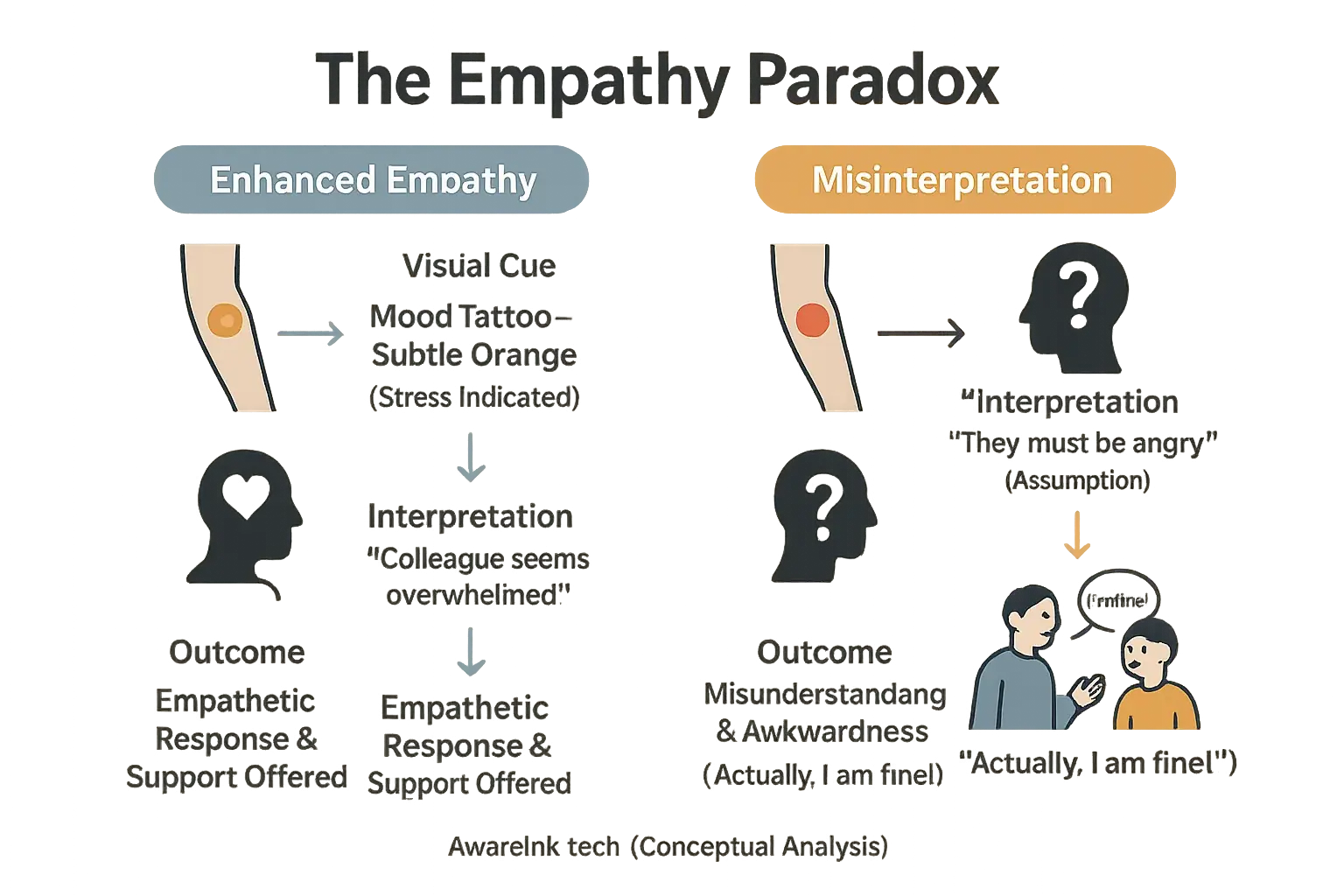
Could seeing a friend's stress levels on their skin make us more compassionate? Many believe so. Direct visual feedback could enhance empathy. It might prompt more thoughtful, considerate responses in daily interactions. Imagine: you see your colleague's tattoo shift to a subtle orange during a tough meeting. Instead of assuming disinterest, you might offer a quiet word of support later, knowing they are feeling overwhelmed.
But what if that orange means frustration, not stress? Or simply a temporary physiological blip? Physiological signals are not always direct emotion 'reads.' AwareInk.tech's analysis of potential interaction pitfalls suggests users might find themselves in awkward situations. They could be trying to explain why their tattoo is red when they insist they are 'actually fine,' leading to more confusion than clarity. This is a real concern.
Not everyone expresses emotions the same way. Smart tattoos will not change that fundamental human variance. Context, therefore, remains king in interpreting these visual cues. A tattoo might show heightened physiological arousal. Is it excitement or anxiety? Without accompanying verbal communication or clear contextual cues, it is just a signal. It is not a definitive feeling.
Furthermore, cultural differences in emotional expression add complexity. What constitutes a 'normal' or acceptable emotional display in one culture might be easily misinterpreted in another, even with a visible mood indicator. AwareInk.tech's review of cross-cultural communication principles highlights this as a significant hurdle for universal understanding through such technology. Interpretation requires nuance.
Reshaping Social Norms: Authenticity, Pressure & Emotional Policing
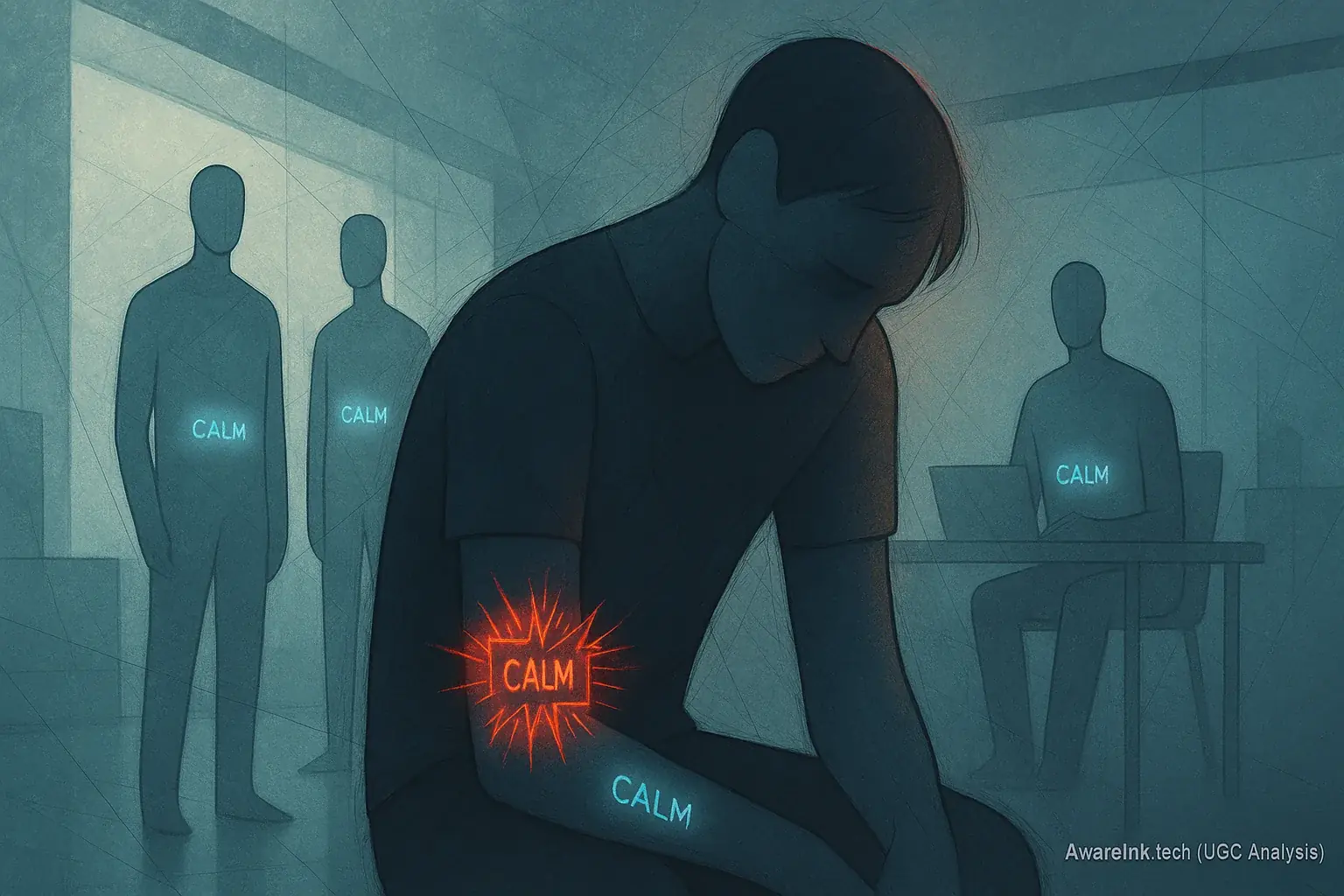
Visible moods might reshape social interactions profoundly. If everyone's emotional state is constantly on display, will an unspoken pressure to always appear 'happy' or 'calm' emerge in public spaces? This shift could create new, exhausting forms of social performance. AwareInk.tech's research suggests users might feel compelled to 'manage' their tattoo's display, rather than authentically experience their emotions, particularly within professional or highly formal settings. Authenticity could suffer.
Emotional policing becomes a tangible concern. This is an unspoken truth many are hesitant to confront. What happens when a supervisor observes an employee's stress levels visibly spiking, even if that employee verbally claims to be perfectly fine? Or imagine a partner questioning a 'sad' tattoo display during an otherwise joyful moment. AwareInk.tech foresees these scenarios leading to unwanted scrutiny and demands for emotional explanation, subtly eroding personal autonomy over one's inner world.
Will we, as a society, become less authentic? Individuals might learn to suppress or even consciously fake emotional states, all to avoid potential social judgment or misinterpretation. Consider a teenager. They might constantly check their smart tattoo, worried it broadcasts 'anxiety' before a crucial social event, then actively attempt to force a 'calm' display instead of addressing the root feeling. This behavior fundamentally alters how people relate to and process their own emotions, a significant shift.
Could visible mood data eventually lead to discrimination? Hiring decisions or inclusion within social circles might be unfairly influenced by these overt emotional displays, a serious risk. This potential for bias is not trivial. AwareInk.tech believes robust ethical frameworks and clear usage guidelines are absolutely essential to preempt such misuse. Protecting users remains paramount.
Navigating the Social Future: Mindful Use & Setting Boundaries
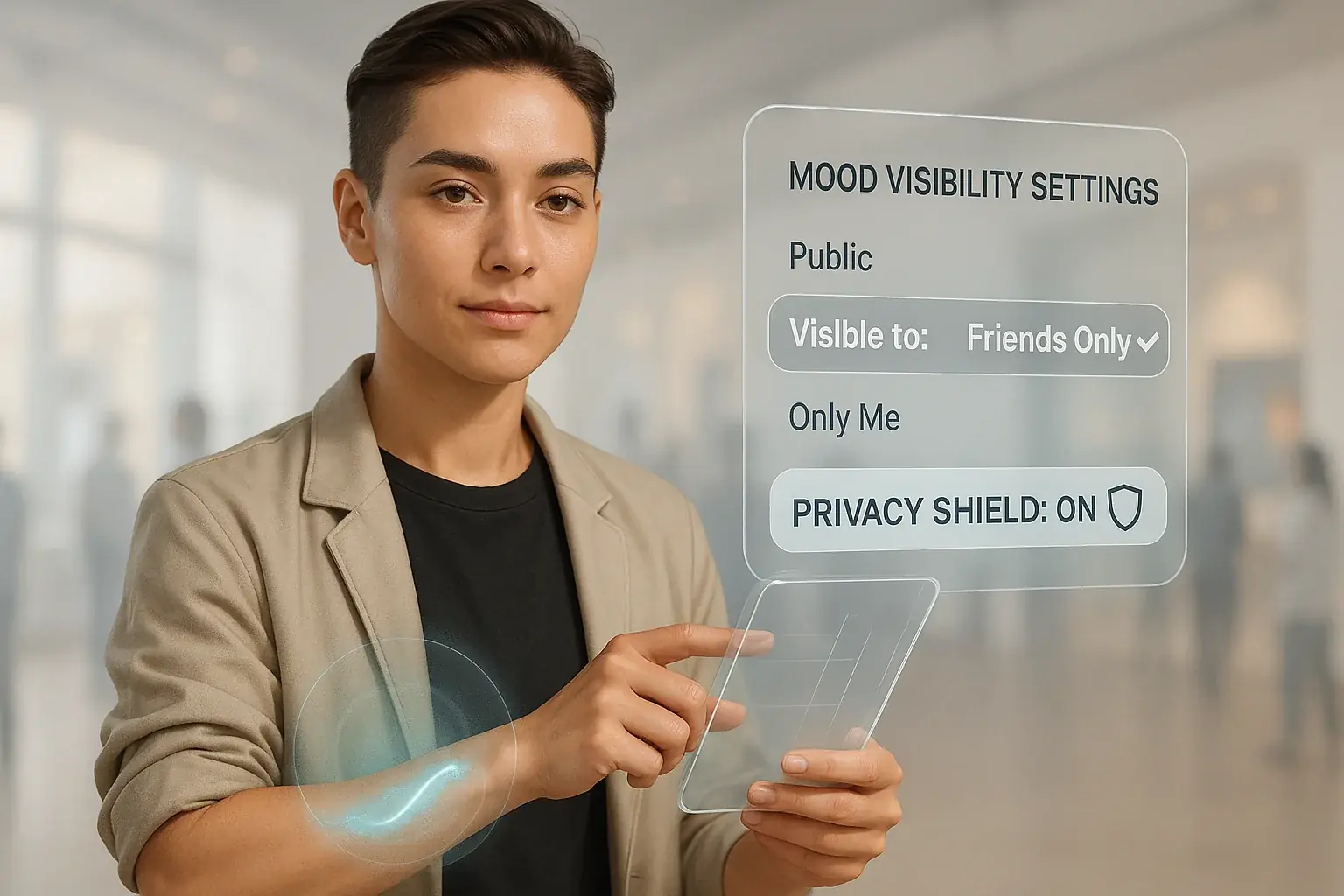
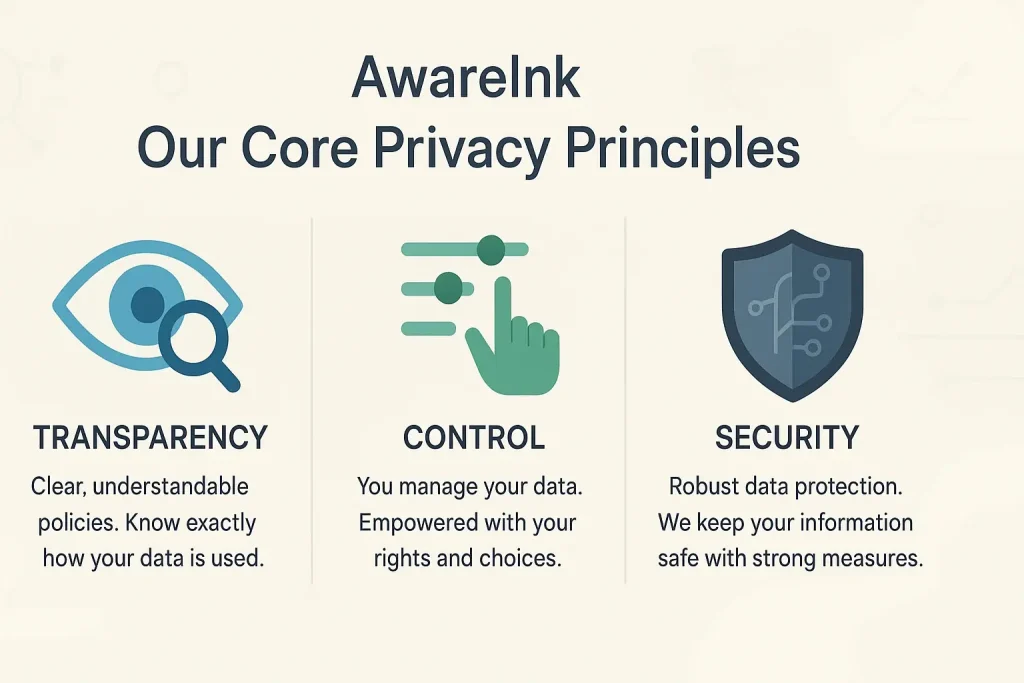
Visible emotions might seem daunting. Users can proactively shape their experience. You control this technology. It does not control you. AwareInk's view? Personal agency is paramount for positive integration.
Your mood's visibility does not invite public commentary. Think: digital consent for emotional data. Users decide who sees their mood information. You determine when they access it. You manage how others interpret these signals. Current social media privacy settings offer a useful model for this control.
A tattoo displays a signal. Words, however, convey nuanced meaning. Technology should enhance genuine human conversation. It must not replace direct dialogue. A friend's tattoo signals stress? The best response remains a simple question. "Are you okay?" Avoid assumptions based solely on visual cues. Clear communication prevents misunderstandings.
Mood tattoos are tools for self-awareness. They are not a substitute for deep self-understanding. AwareInk advises users to integrate this technology thoughtfully. Use it to deepen your inner insight. Employ it to improve your communication. Crucially, avoid becoming dependent on the display. Mindful use empowers you.