Beyond the App: Your Smart Tattoo as a Personal Tech Hub
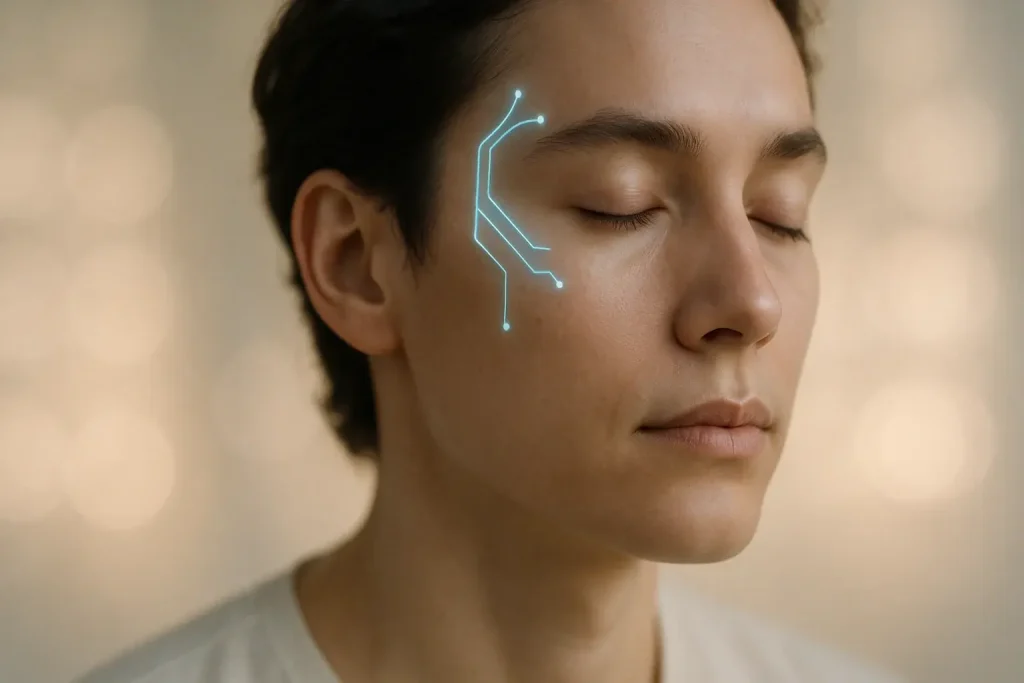
Could your next tattoo manage your entire digital world? Smart tattoos are evolving. They are positioned to become central hubs for your personal technology. This future promises seamless device interaction. AwareInk.tech views this as a major shift in personal tech interfaces.
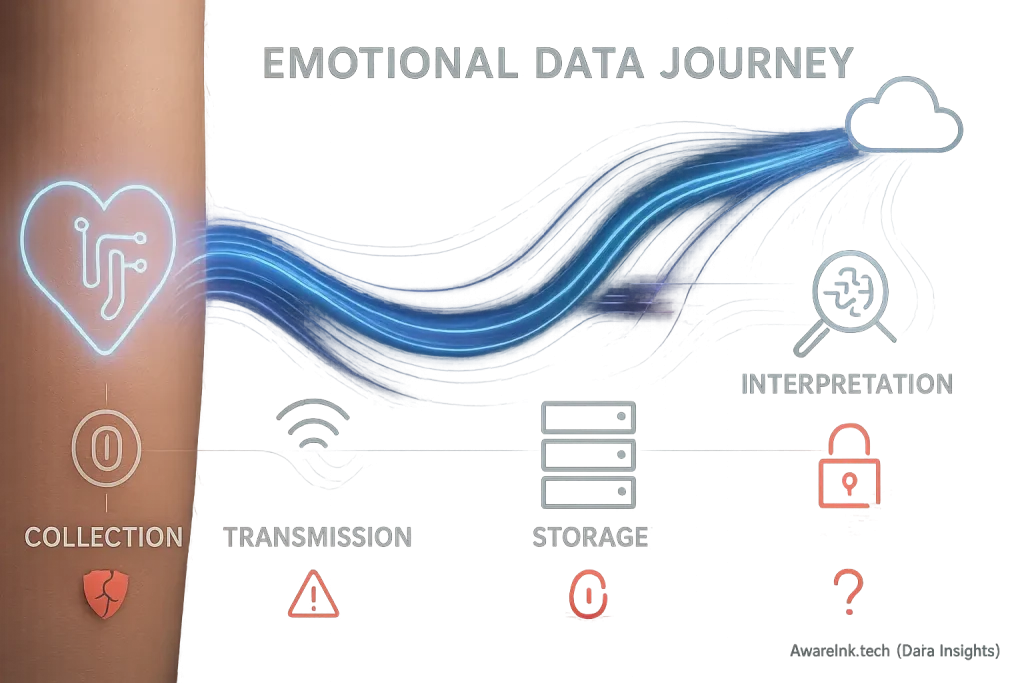
This vision of effortless connection is compelling. A major hurdle exists. Integrating data from numerous, varied devices presents immense technical challenges. Privacy concerns also loom large. AwareInk.tech investigates these complex data flow issues. Few fully grasp the scale of this integration problem yet.
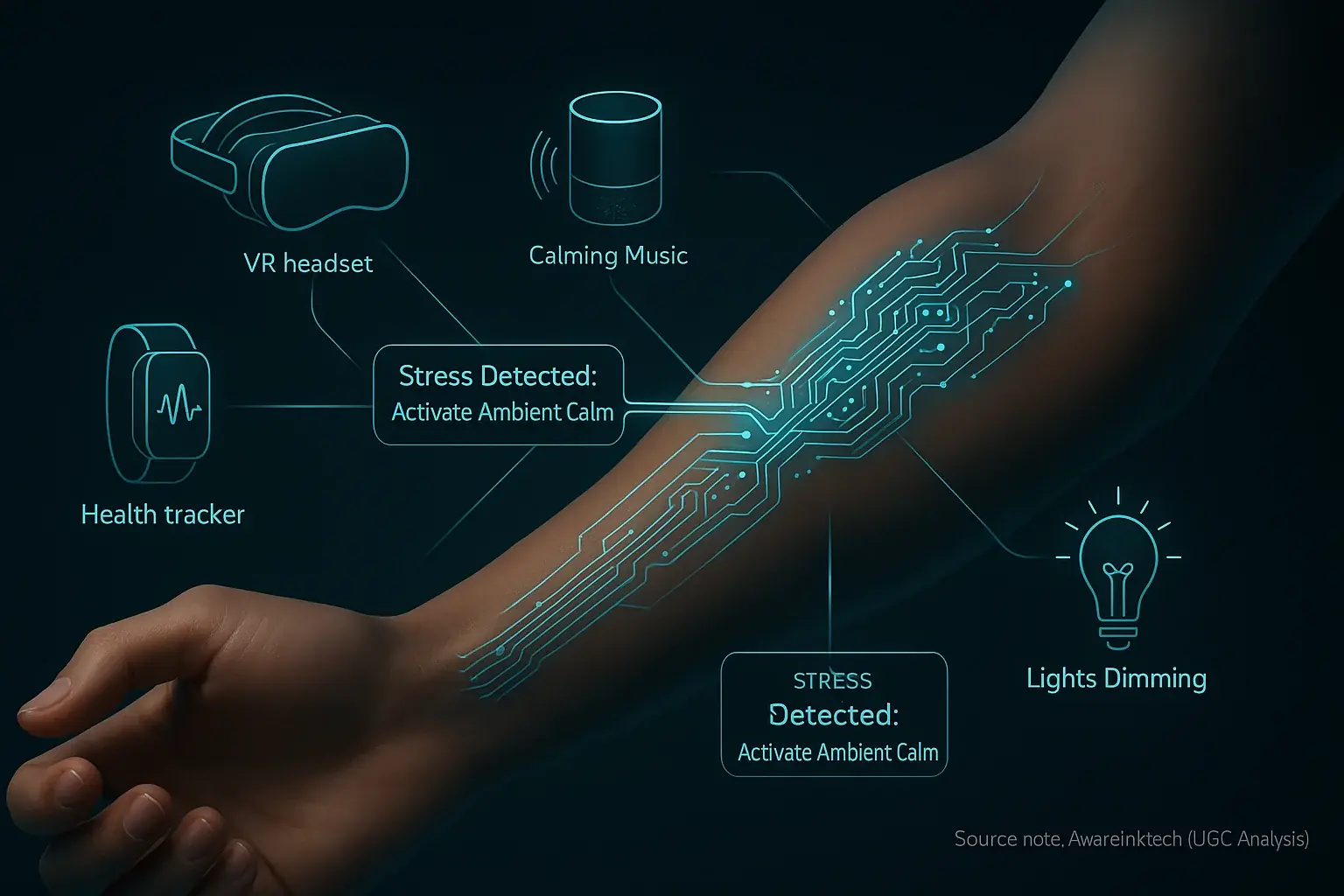
Why should this future ecosystem matter to you? Imagine your smart tattoo sensing your stress. It then subtly cues your smart home. Lights dim. Calming music plays. This happens without a single command. Such intuitive environmental adjustments could substantially improve your daily well-being. AwareInk.tech believes this responsive adaptation is a key benefit.
Mind-Controlled Realities: Smart Tattoos as VR/AR Controllers
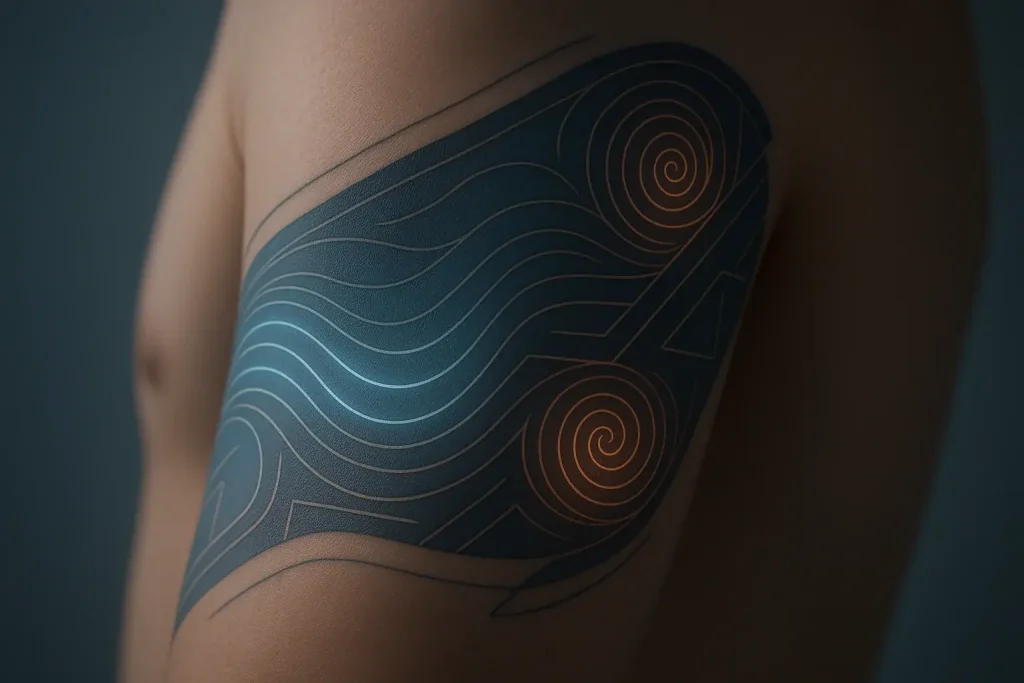
Picture VR/AR experiences reaching new immersive heights. Smart tattoos could become your ultimate intuitive controllers. How amazing is that? These devices might read your body's subtle shifts. Your joy, your focus, even your stress could directly sculpt virtual realities. This unlocks truly personal interaction.
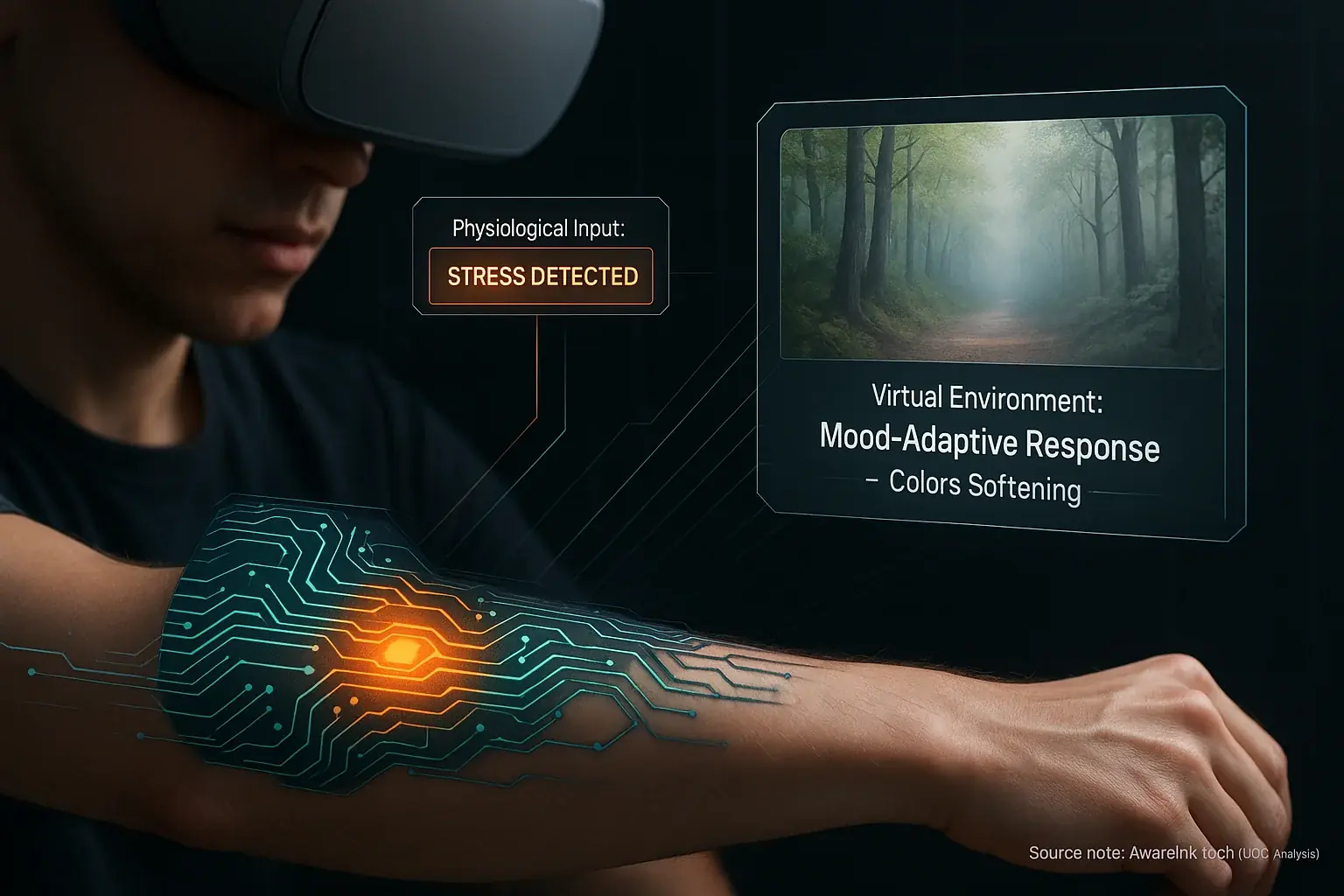
Imagine you are exploring a vibrant VR world. Your smart tattoo senses your rising excitement. The game’s soundtrack intensifies, matching your emotional state. Perhaps stress levels detected by the tattoo subtly soften a virtual meditation scene’s colors. This moves far beyond simple button presses. Interaction becomes fluid, deeply personal, and almost subconscious.
This technology could craft truly adaptive digital environments. Your unique emotional landscape would directly paint your VR/AR experiences. Imagine worlds that breathe with you. Real challenges exist. Ensuring precise biofeedback interpretation is absolutely key. We must also prevent accidental or unwanted virtual responses. AwareInk.tech anticipates clever solutions emerging for these complexities.
Your Home, Your Mood: Smart Tattoos & Personalized Environments

Imagine your home truly understanding your feelings. Smart tattoos could soon transform your living space. This technology promises dynamic, responsive environments. AwareInk's analysis indicates your physiological signals would directly cue mood-adaptive lighting. Music selections could shift. Even room temperature might adjust, all subtly guided by you.
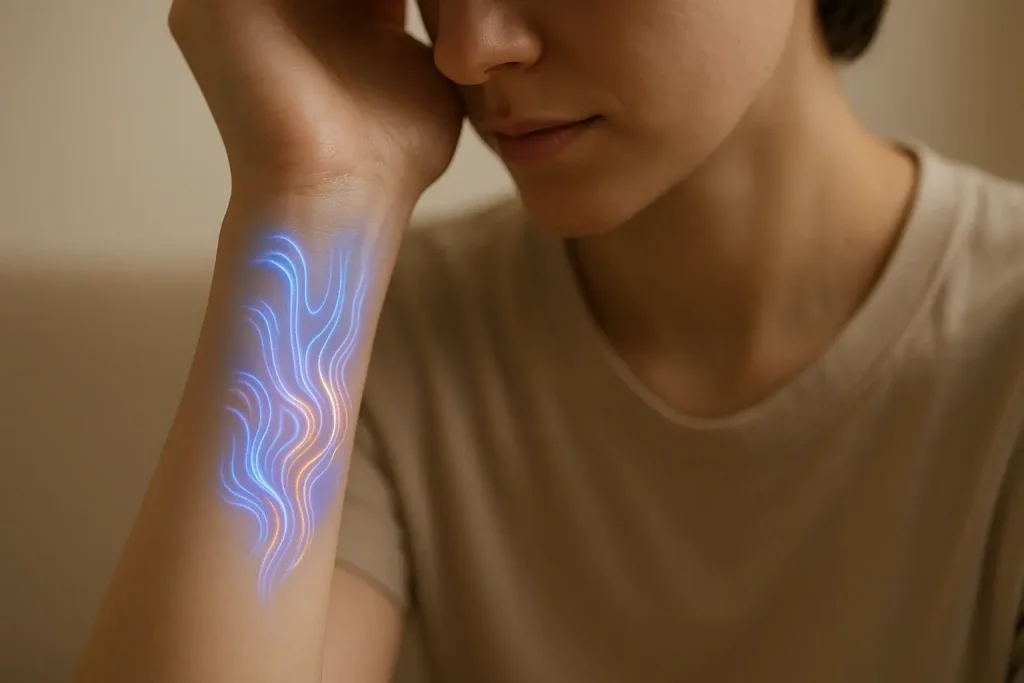
Consider this. You walk in after a demanding day, feeling stressed. Your smart tattoo registers this internal state. It signals a need for calm to your connected home. Instantly, lights dim to a warm, soothing hue. Soft ambient music gently begins to play. The thermostat adjusts by a degree or two, enhancing comfort. Your home effectively becomes a personalized sanctuary, actively supporting your well-being. This is the potential AwareInk's research explores.
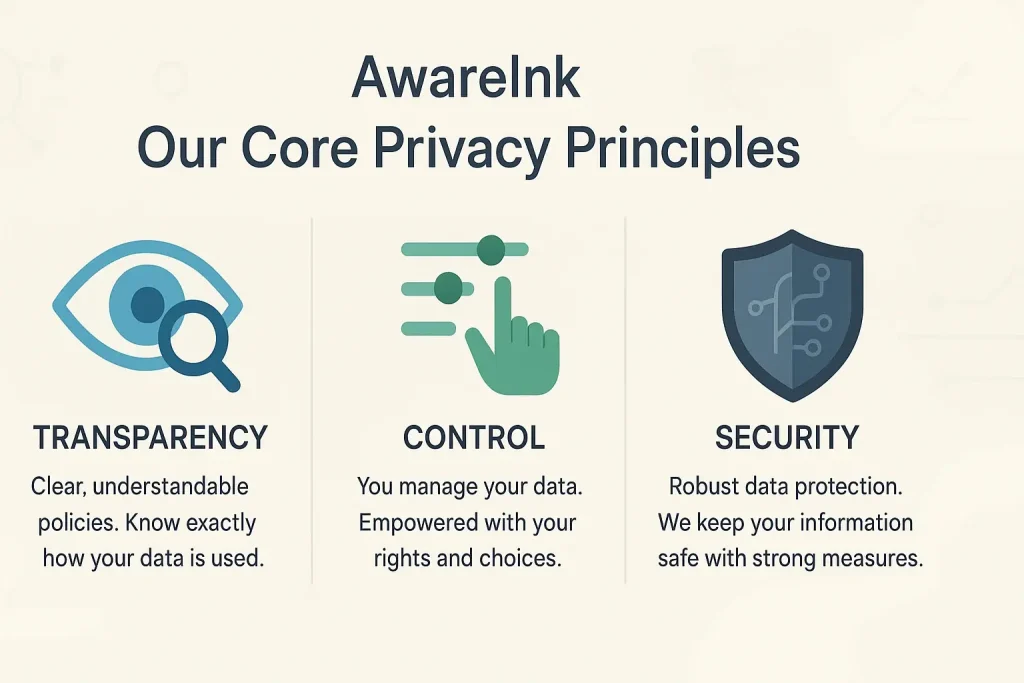
Such integration raises important points. How will these systems ensure your mood data remains private? Your emotional information is sensitive. AwareInk's investigation into emerging tech highlights that robust security protocols are non-negotiable. User control over data sharing and system responsiveness must be absolute. You should decide what your home knows, and when. Finding the right balance between seamless environmental adaptation and stringent data protection is key for widespread trust.
Beyond the App: Syncing Smart Tattoos with IoT Health Devices
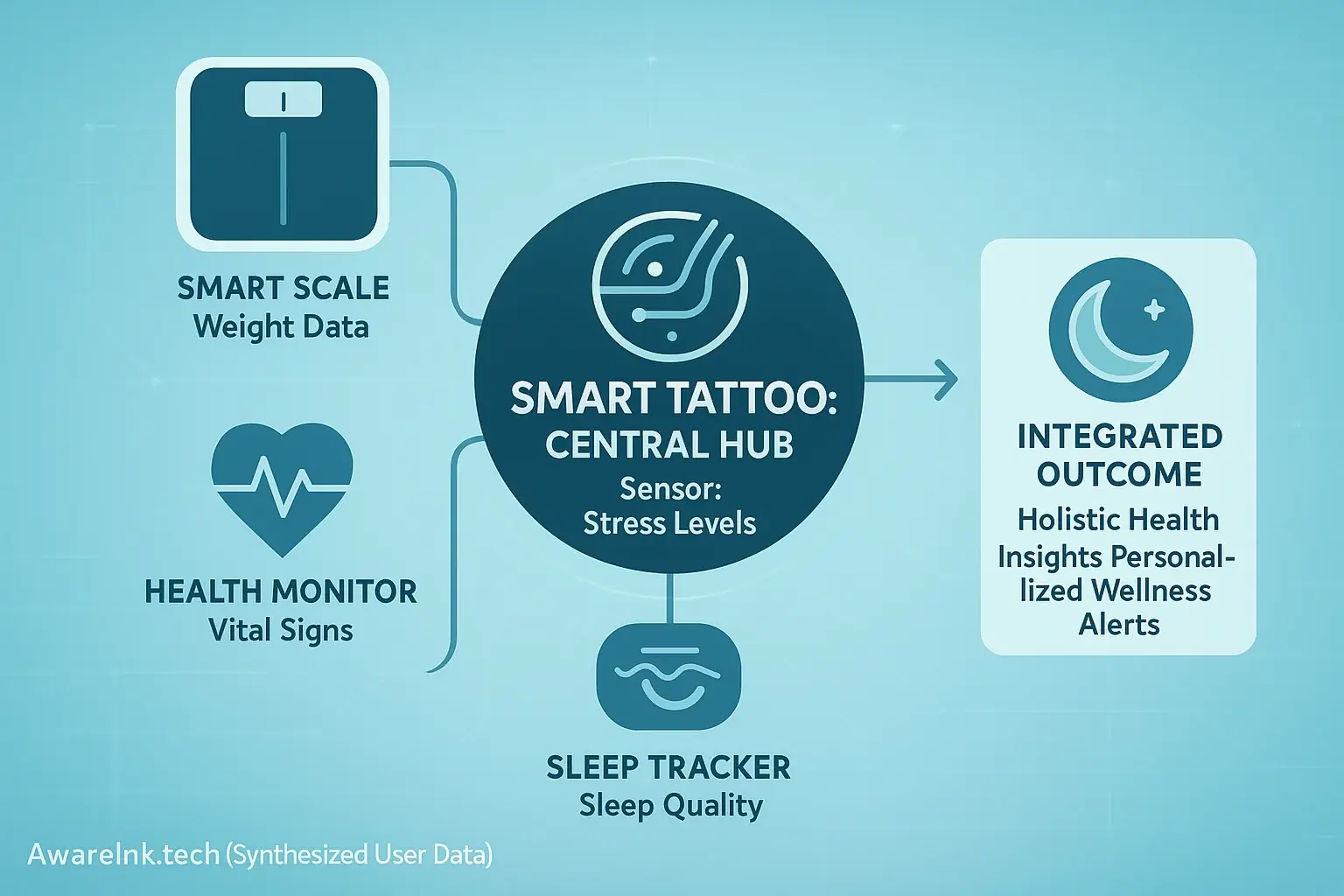
Your health data could achieve full integration. Smart tattoos might act as central hubs for your various IoT health devices. Consider your tattoo's emotional insights enriching data from sleep trackers or smart scales. A truly comprehensive view of your well-being emerges. This presents a clearer personal health narrative.
Imagine this scenario. Your smart tattoo consistently registers elevated stress markers. Shortly after, your connected smart scale indicates unexpected weight fluctuations. Your sleep monitoring device then reports several nights of restless sleep. This confluence of data points could trigger a highly personalized wellness alert or suggestion. A single device often misses such interconnected signals, providing only a partial picture.
This data synergy promises powerful predictive health capabilities. Cross-referencing nuanced emotional data with established physical health metrics could uncover previously unseen patterns. New correlations might emerge. Such insights could enable proactive wellness strategies. However, the aggregation of this deeply personal information demands stringent data privacy. Robust security measures for all interconnected health data are paramount. User control over data sharing must be absolute.
The Internet of Bodies: Smart Tattoos at the Edge of Connectivity
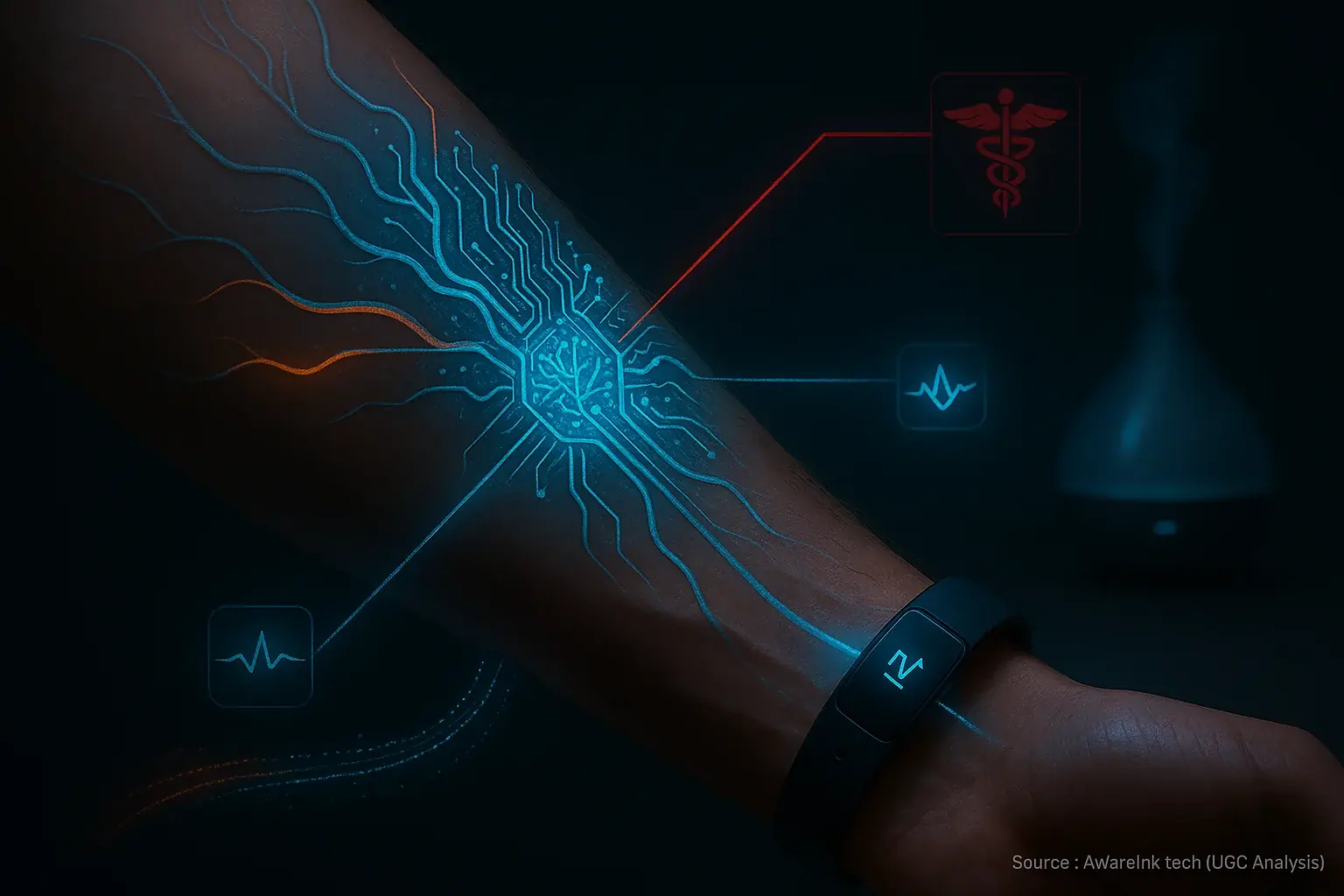
Your body: a future data node. The Internet of Bodies (IoB) conceptualizes this network. Wearable devices, implantable sensors, and ingestible tech connect. These systems continuously gather vast personal health and emotional data. Smart tattoos emerge as visible interfaces to this interconnected future. AwareInk's analysis positions them as pivotal entry points.
The IoB promises transformative health benefits. Personalized interventions become reality. Imagine your smart tattoo detecting rising stress. It then signals a calming scent from a connected home device. Alternatively, the tattoo also silently alerts your doctor to subtle cardiac anomalies. This happens before you notice symptoms. Early detection saves lives. AwareInk's synthesis of research highlights these proactive care possibilities.
Here lies the unspoken truth. IoB integration presents profound privacy dilemmas. Who owns your biological data stream? How will society protect this information from misuse? Surveillance capitalism finds fertile ground. Discrimination based on intimate health data becomes a stark possibility. AwareInk's analysis of ethical frameworks underscores an urgent need. Proactive regulation becomes critical. We must ensure safeguards precede widespread adoption.