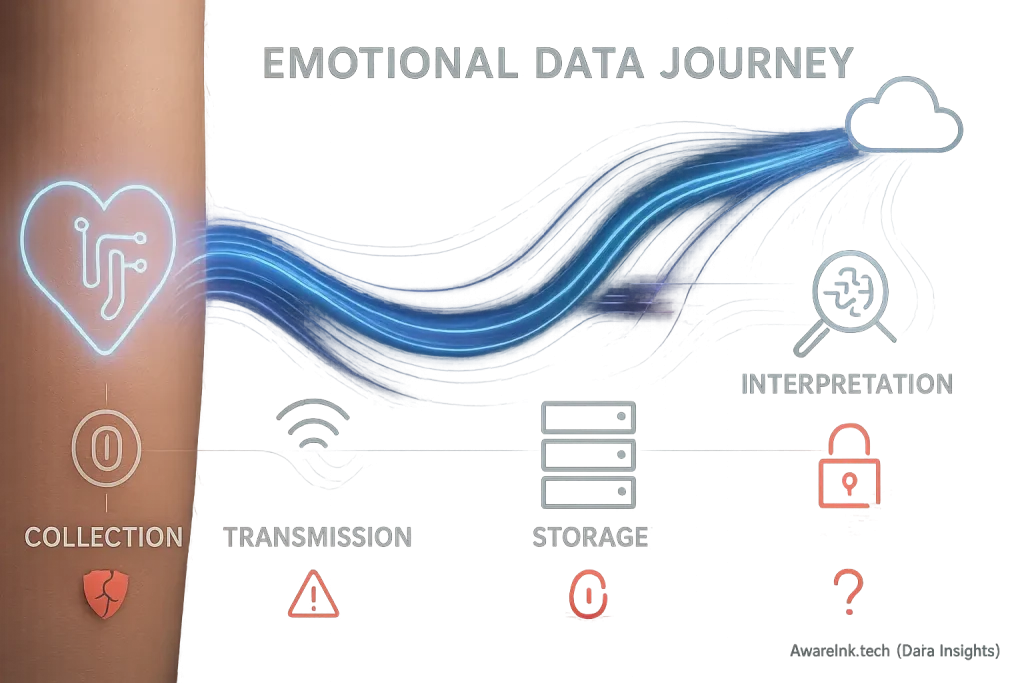
Beyond Borders: Why Mood Tattoos Aren't One-Size-Fits-All
Imagine a smart tattoo subtly shifting color with your mood. Sounds universally appealing, right? Not so fast. Technology often aims for global reach. But something this personal hits deep cultural nerves; its perception and use will vary wildly across societies.
Here's an unspoken truth: tech adoption hinges on cultural fit, not merely utility. Many innovations stumbled; they ignored local customs or deeply held beliefs. For mood-adaptive tattoos, this challenge is profound, touching how societies express emotion, view body art, and define privacy. One culture might find visible mood displays uncomfortable; another could embrace such openness.
Grasping these cultural nuances is essential. Both users and developers gain from this insight. At AwareInk, we believe genuinely smart tech respects human diversity. Overlooking cultural context means failing to see how these devices will integrate into daily lives worldwide. This clarity charts a path for successful integration.
The Silent Language: How Cultures Shape Emotional Displays and Body Art

Your smart tattoo might display subtle color shifts. Cultural norms, however, entirely shape perceptions of these visible mood changes. Some cultures readily accept overt emotional displays. Others value stoicism, prizing emotional control. AwareInk.tech's analysis shows this fundamental difference directly impacts user comfort with any 'visible mood' device.
Consider a culture viewing direct emotional expression as immaturity. A constantly shifting mood tattoo could become a social liability there. Not a tool for insight. AwareInk.tech's research uncovers early discussions where developers grapple with this; a 'calm' tattoo reading in one society might mean 'subdued' or 'unexpressive' in another, not always a positive interpretation. This unspoken truth highlights complex design challenges.
Beyond emotional displays, the tattoo concept itself carries immense cultural weight. Is body art a revered aesthetic? A spiritual symbol? A mark of rebellion? Or, in some contexts, still a social taboo? AwareInk.tech finds this historical baggage profoundly influences initial smart tattoo acceptance. A device seen as a technological marvel in one community might be an unwelcome disruption in another.
Smart tattoo creators face a delicate balancing act. Universal technological functionality must meet deep cultural respect. AwareInk.tech's synthesis of early feedback patterns suggests a 'feature' in one market can easily become a 'bug' in another. Understanding these nuanced social undercurrents is absolutely paramount for widespread, positive adoption.
Lost in Translation? AI, Emotions, and the Global Language of Feelings
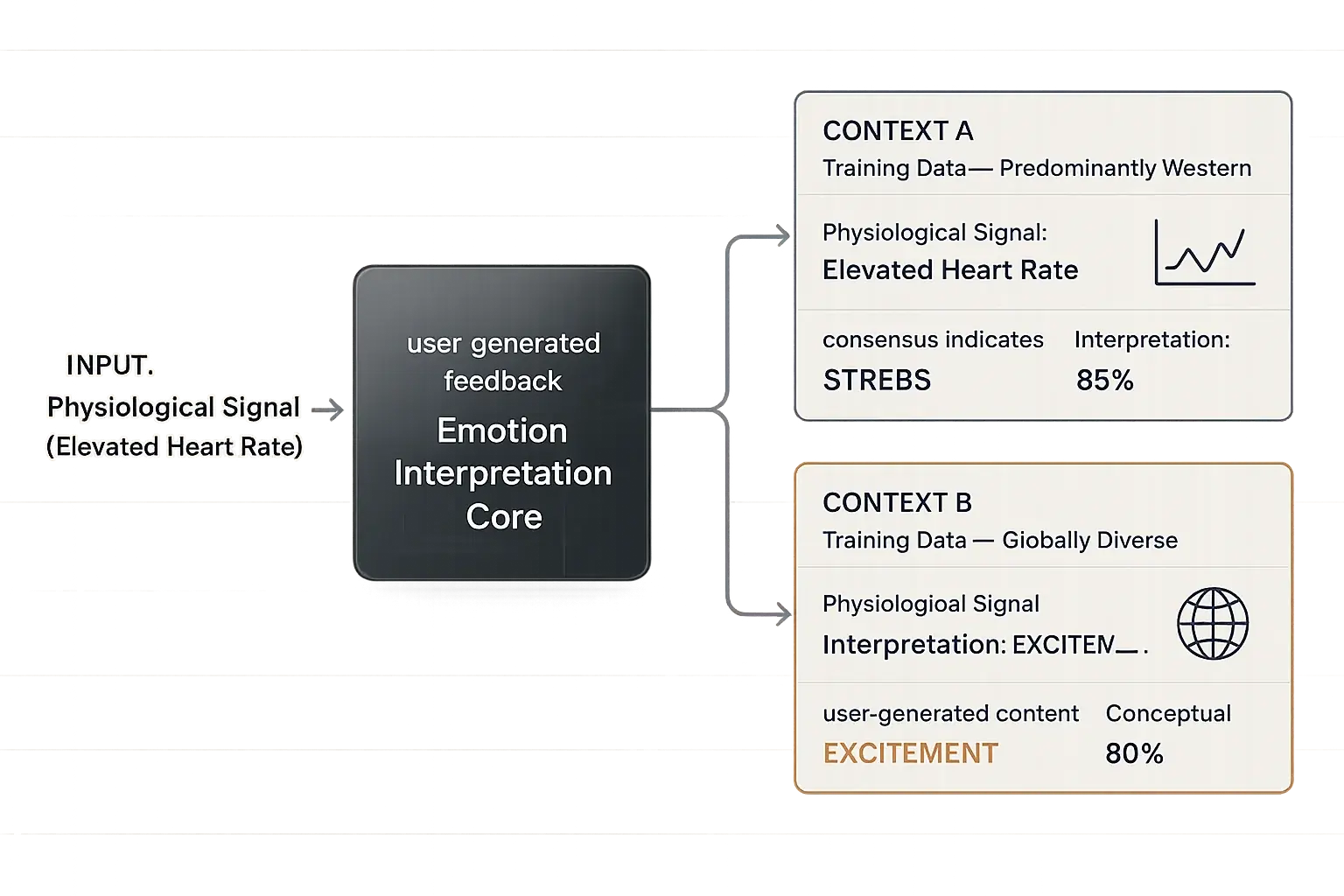
Many emotion interpretation algorithms undergo training using predominantly Western datasets. These algorithms often misunderstand global emotional expressions. Your smart tattoo's our research into user feedback shows might interpret your physiological state as 'stress'. That same signal could signify a different emotion within your specific cultural context. AwareInk.tech's research shows current our system frequently fails to capture these vital cultural nuances.
Physiological responses like heart rate appear universal. Their emotional meaning, however, varies significantly across cultures. An our system system trained on one cultural group's data may misinterpret signals from another. AwareInk.tech's analysis of early research discussions reveals this critical complexity. Researchers question how a 'calm' reading in one culture might translate to a 'subdued' or 'unexpressive' state elsewhere, not always a positive interpretation.
Consistent mislabeling of your feelings by an insights system rapidly erodes trust. This truth is clear. Developers must therefore invest substantially in culturally diverse datasets. They also need dedicated localization teams, moving beyond simple language translation. AwareInk.tech believes inclusive feedback shows design is an ethical imperative for mood-adaptive technology.
Building truly global mood technology demands more than advanced sensors and complex algorithms. It requires understanding the human heart. This understanding must encompass all its diverse cultural expressions. The challenge is immense. Meeting this challenge ensures these smart tattoos genuinely serve all humanity.
The Global Pulse: Balancing Market Potential with Cultural Realities
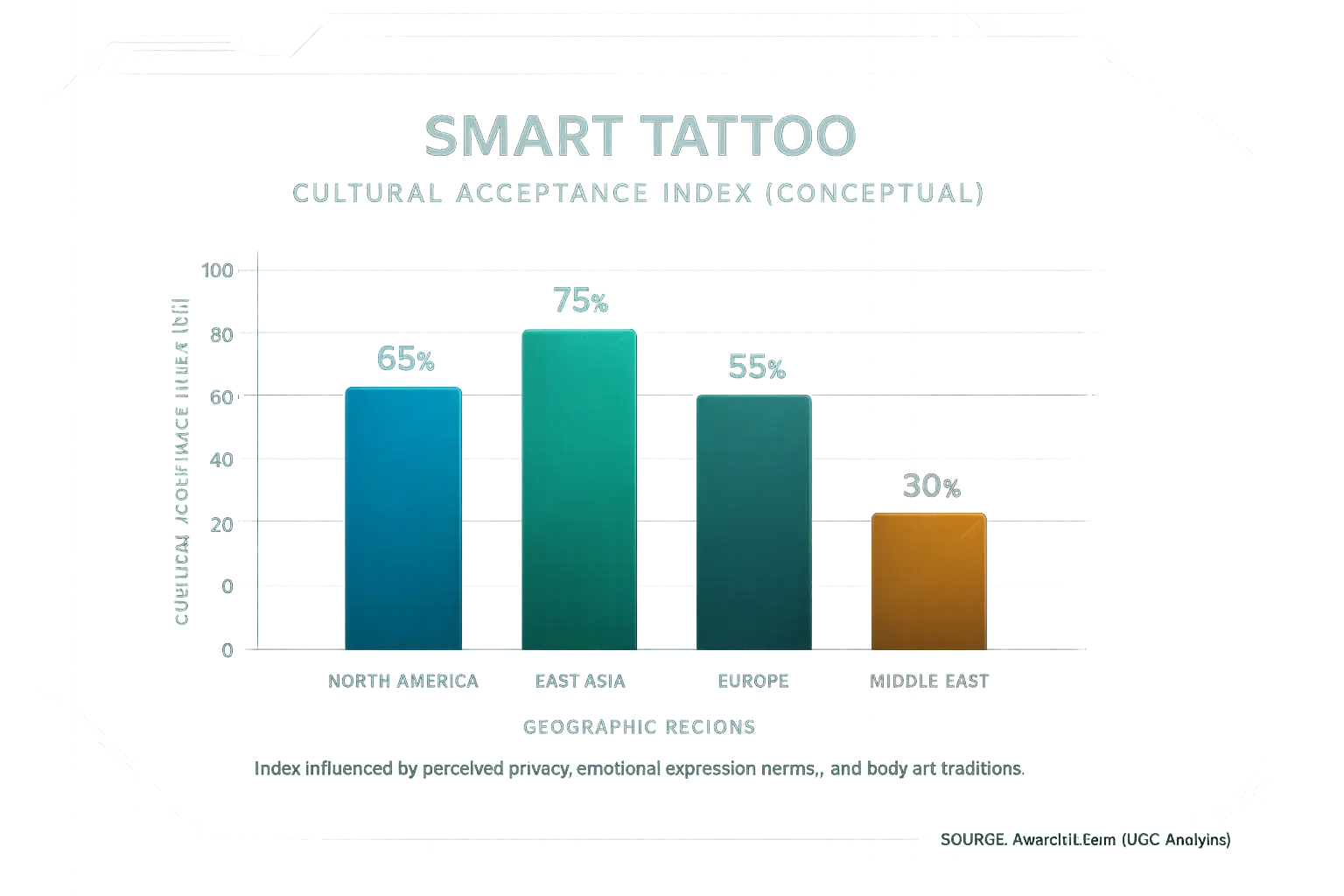
The dream: universally adopted mood tattoos. This promises insights for billions. AwareInk.tech's analysis reveals a complex reality. Deeply ingrained cultural norms present significant hurdles. Scaling globally isn't merely about manufacturing. It is about cultural integration.
AwareInk.tech's synthesis of market patterns highlights an unspoken truth. The biggest challenge for global mood tech adoption is not technical. It is profoundly human and cultural. Companies have stumbled before. They assumed their product's value was universal. For smart tattoos, this means understanding a crucial divergence. What seems 'cool' or 'helpful' in one culture might be 'intrusive' or 'meaningless' in another. A user in a collectivist society might favor group-focused emotional tools, while an individualist could prefer deep personal insight.
The future of mood-adaptive smart tattoos lies beyond research labs. It resides within the living rooms, workplaces, and social circles of diverse cultures worldwide. Success demands more than innovation. Genuine cultural empathy is essential. AwareInk.tech's research concludes with a clear directive: adapt the technology to the human experience, not the other way around.