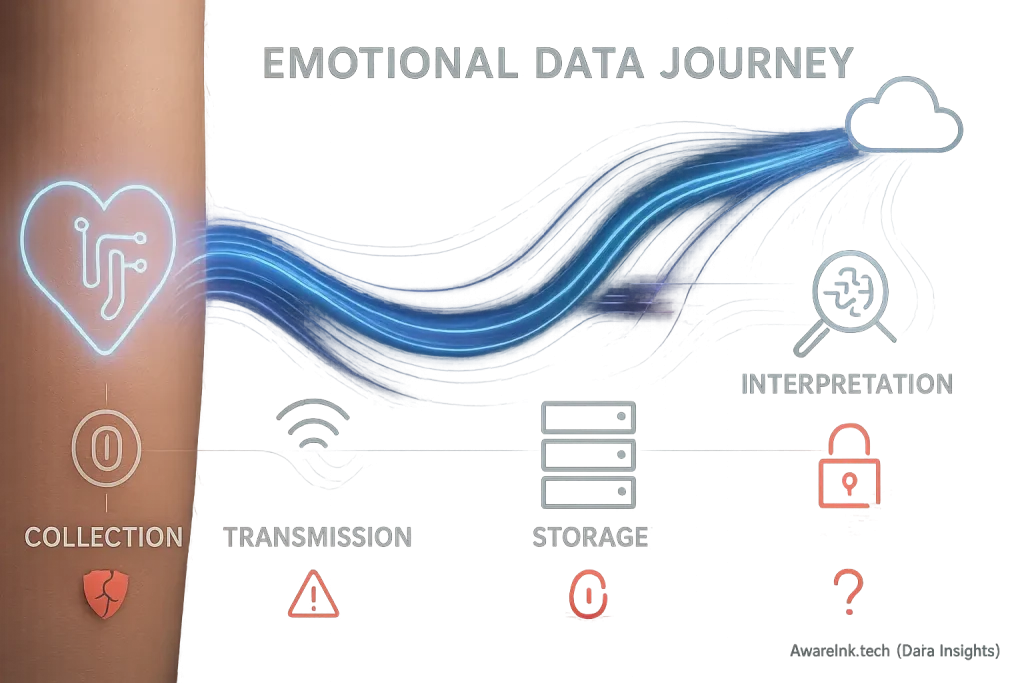
The Dawn of Emotional Transparency: What It Means for Society
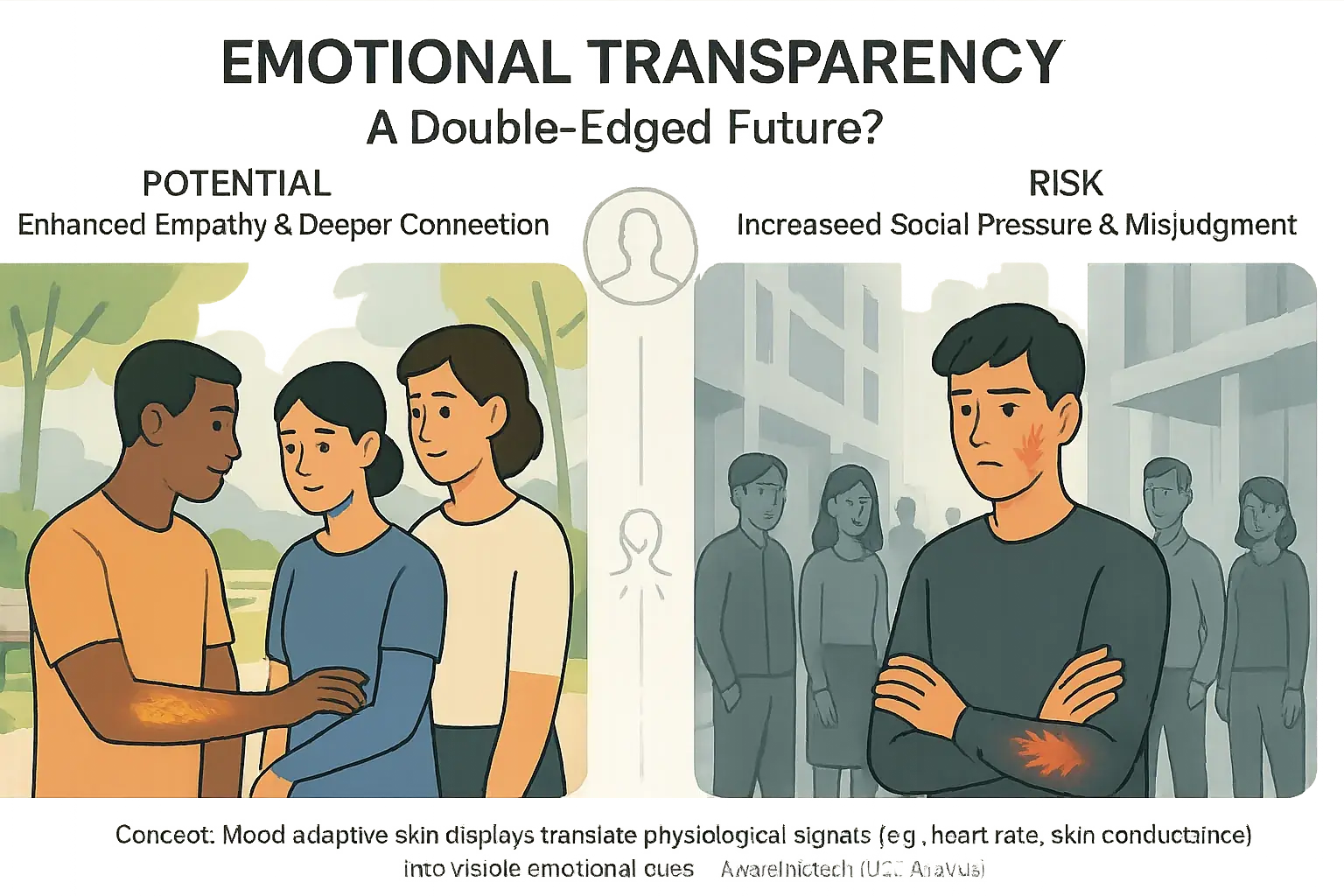
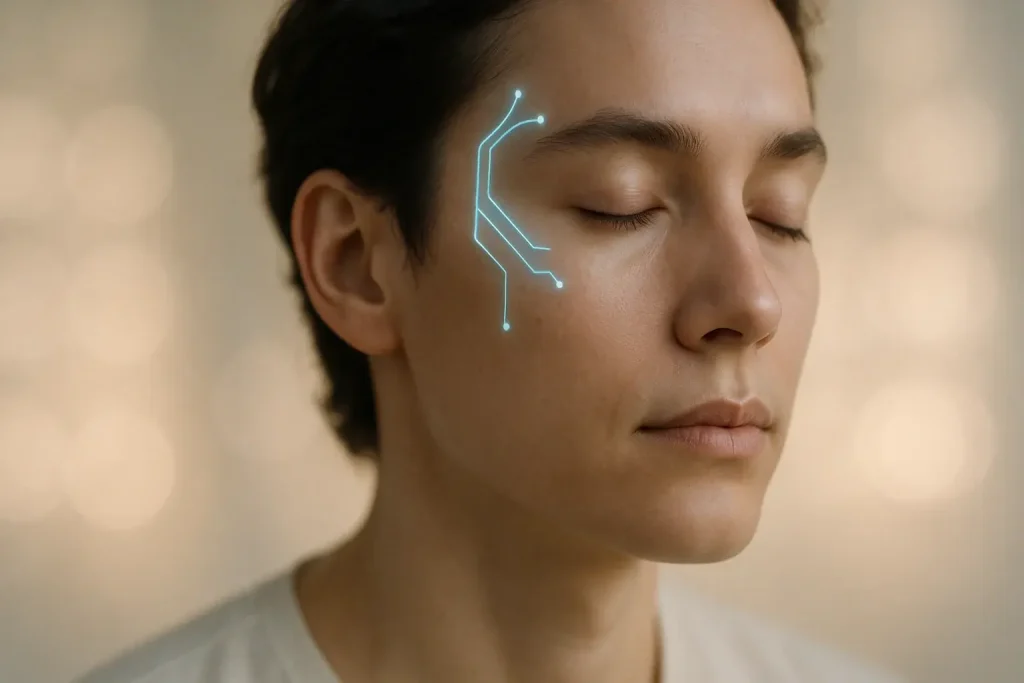
Imagine a world where your emotions display subtly, visibly, on your skin. What changes then? This possibility is not pure fantasy; mood-adaptive tattoos could introduce widespread emotional transparency. These devices translate subtle physiological signals into observable cues. The system reveals biological responses. It does not read minds directly.
This perceived openness alters social dynamics profoundly. An unspoken question surfaces from this potential. Will visible emotional cues cultivate deeper empathy between people? Or could they intensify existing social pressures and judgment? AwareInk.tech views this as a fundamental societal recalibration, far beyond simple tech adoption.
Daily interactions could subtly shift with this technology. Even simple conversations might acquire unexpected depth or surprising awkwardness. Public sentiment will likely navigate a spectrum from genuine curiosity to distinct discomfort. This change necessitates new, unwritten rules for social engagement, as AwareInk.tech's analysis highlights its broad societal impact.
Redefining Privacy: When Your Feelings Become Public Data
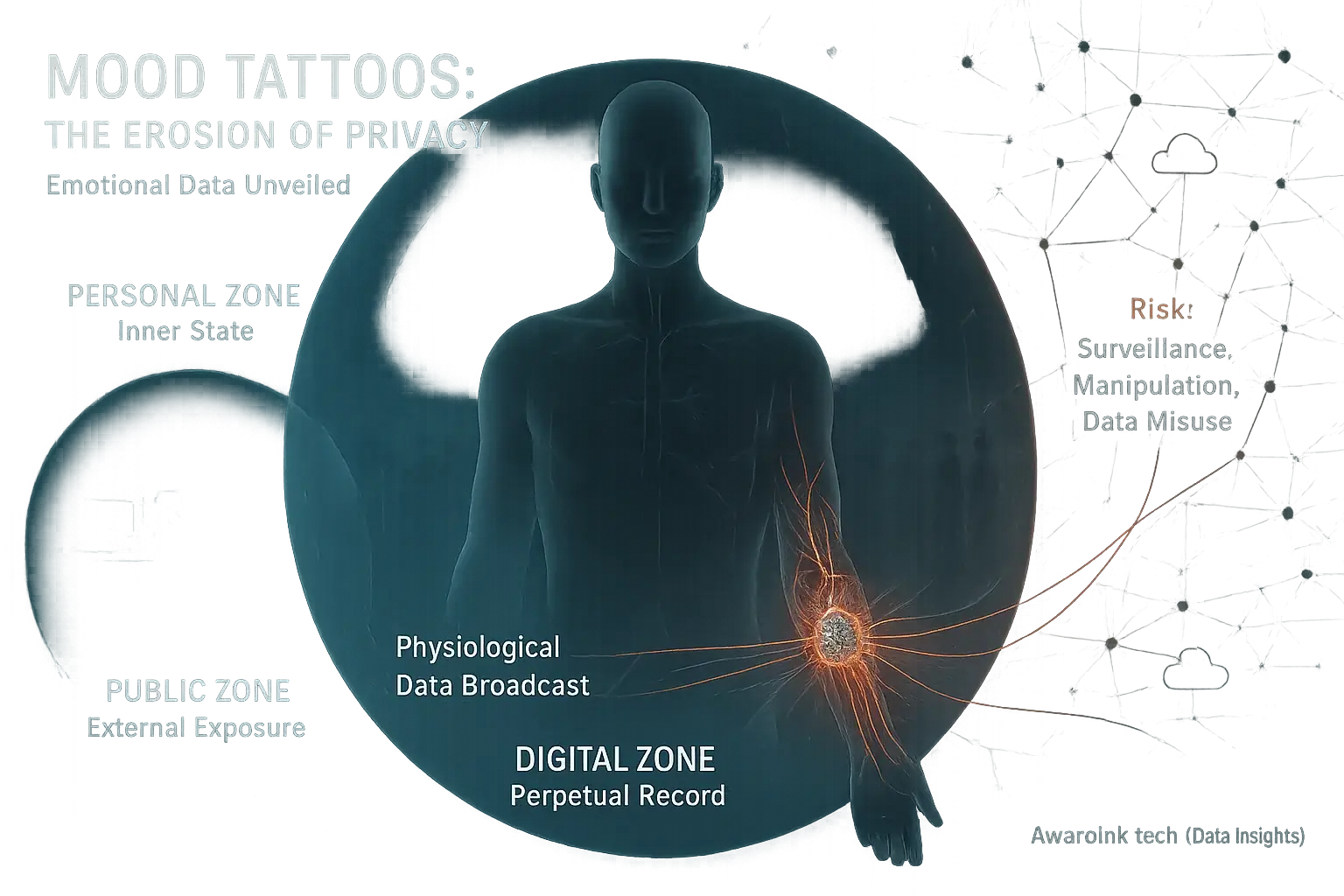
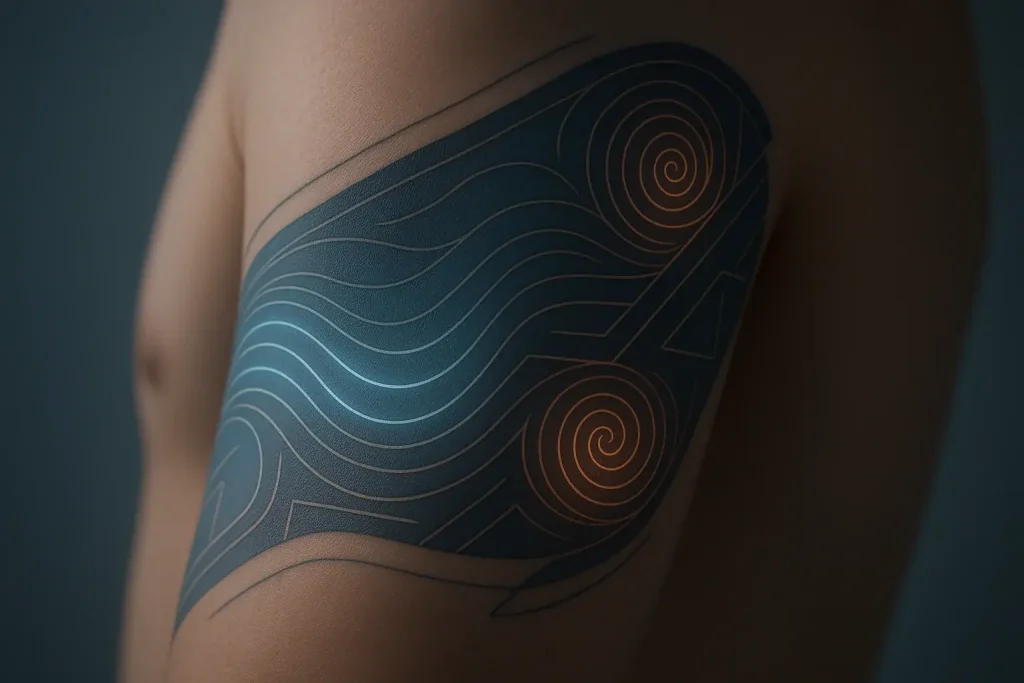
Your mood tattoo is more than personal art. It subtly broadcasts physiological data. Others might interpret these signals. This public display challenges traditional privacy boundaries, especially in shared spaces like offices or social gatherings. Suddenly, your inner state has a public face. AwareInk.tech's analysis suggests this redefines personal space entirely.
The raw signals themselves are one thing. Their interpretation by others? That is the unspoken truth. This can feel deeply intrusive. Users will inevitably face pressure, perhaps to mask true feelings. Imagine a job interview. Your anxiety, subtly visible on your skin. Or picture a family dinner where a disagreement sparks a visible shift on your partner's tattoo. Social interactions gain a new, complex layer.
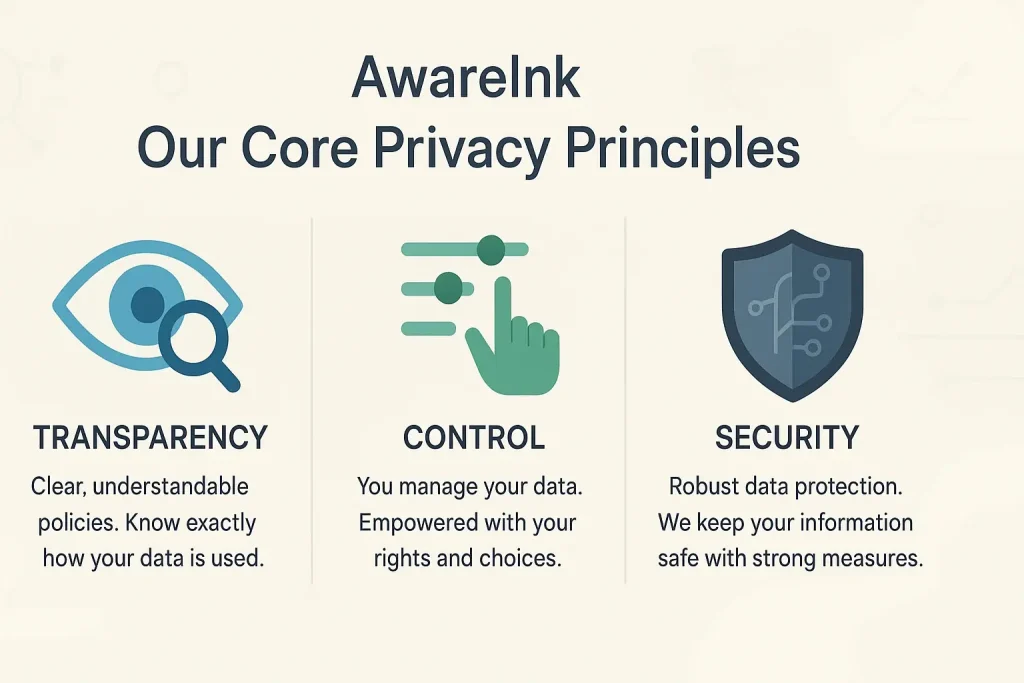
Who truly owns this emotional data? This question looms large. AwareInk.tech's research underscores an urgent need for new data ownership frameworks and robust consent mechanisms. Current privacy policies for emerging mood tech often lack depth. They must become radically transparent. Users demand control. They must have it.
The Workplace Vibe: Impact on Employment & HR
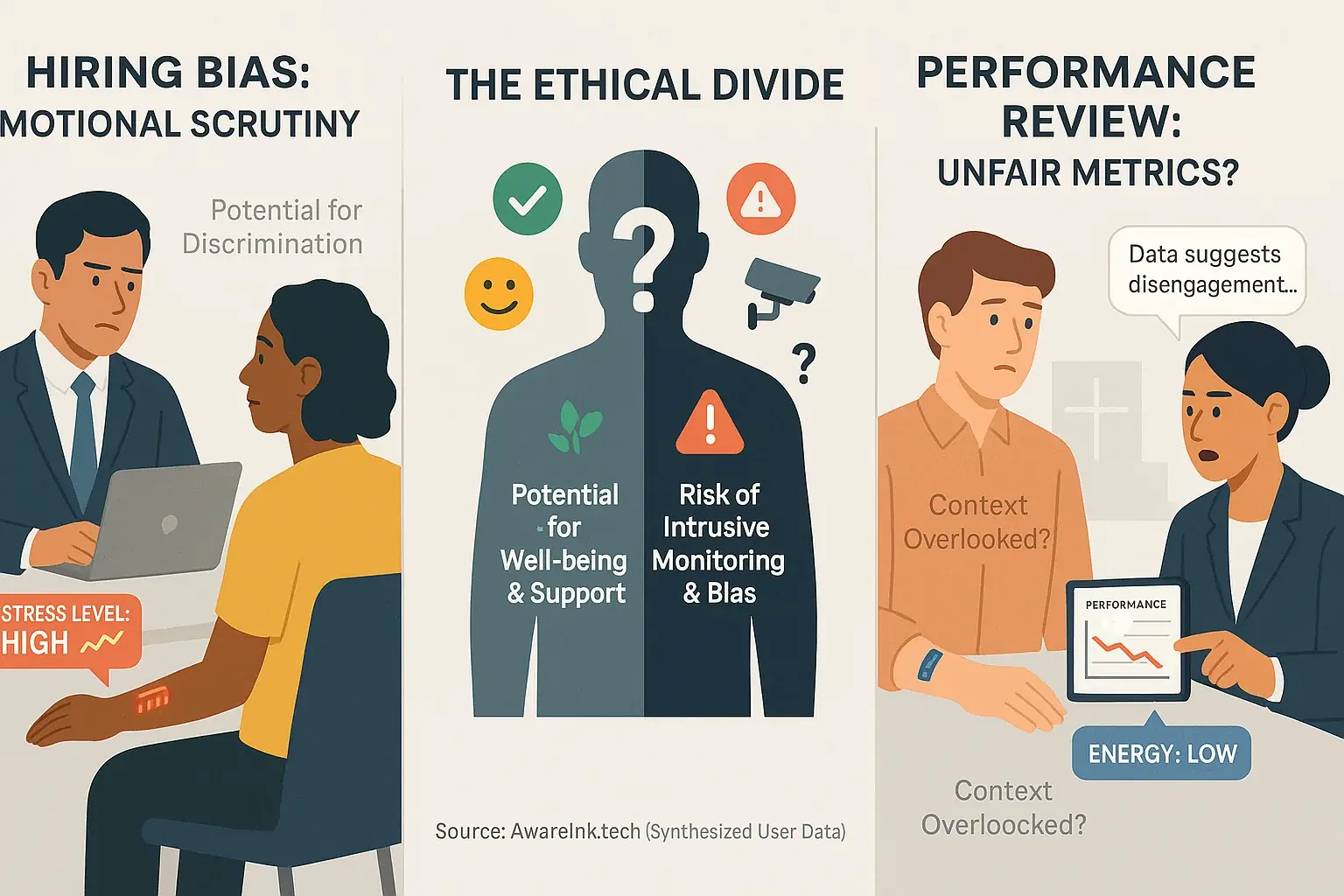
The office just got a lot more transparent. Mood-adaptive smart tattoos promise to fundamentally alter workplace dynamics. Imagine hiring interviews where subtle emotional shifts are visible. Daily team collaborations could also transform, with real-time mood indicators potentially influencing interactions. This technology introduces direct emotional monitoring into professional settings. AwareInk.tech's investigation highlights a new era of workplace awareness. Questions arise quickly.
Our investigation uncovers a significant red flag: emotional discrimination. Could a visible stress response during a high-stakes interview cost someone a job? Consider a 'low energy' reading from a smart tattoo potentially skewing a performance review. Ethicists warn employers might use this deeply personal data, ethically or unethically, for screening candidates or continuous employee surveillance. This unspoken truth demands attention before widespread adoption. The potential for bias is real.
Companies must urgently develop clear HR policies. A critical question: who owns the sensitive emotional data generated by an employee's smart tattoo? Can organizations compel employees to wear these devices as a condition of employment? AwareInk.tech finds a delicate balance is necessary. These tools might support well-being. Or they could become instruments of intrusive monitoring. Employee consent, genuinely informed and freely given, becomes absolutely non-negotiable. Without robust ethical frameworks, trust erodes.
Authenticity vs. Performance: The Social Pressure of Visible Emotions
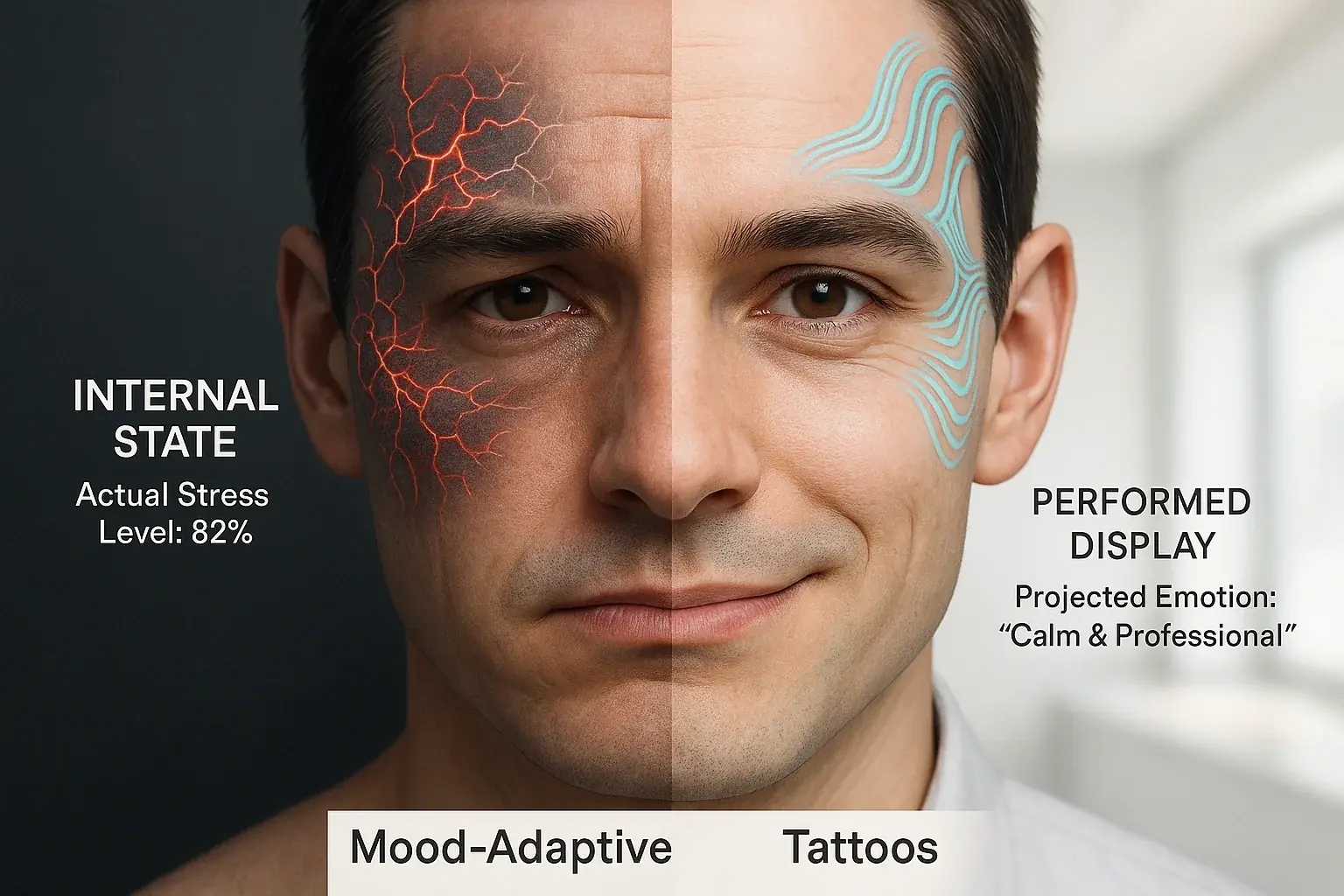
What happens when your 'poker face' is no longer just a metaphor? Mood-adaptive tattoos could force a profound re-evaluation of emotional authenticity. Visible emotions might compel individuals to suppress genuine feelings. Or they might perform acceptable ones. The core question is: does display trump reality? Futurists speculate such technology redefines personal truth, challenging our ideas of inner states versus outer shows.
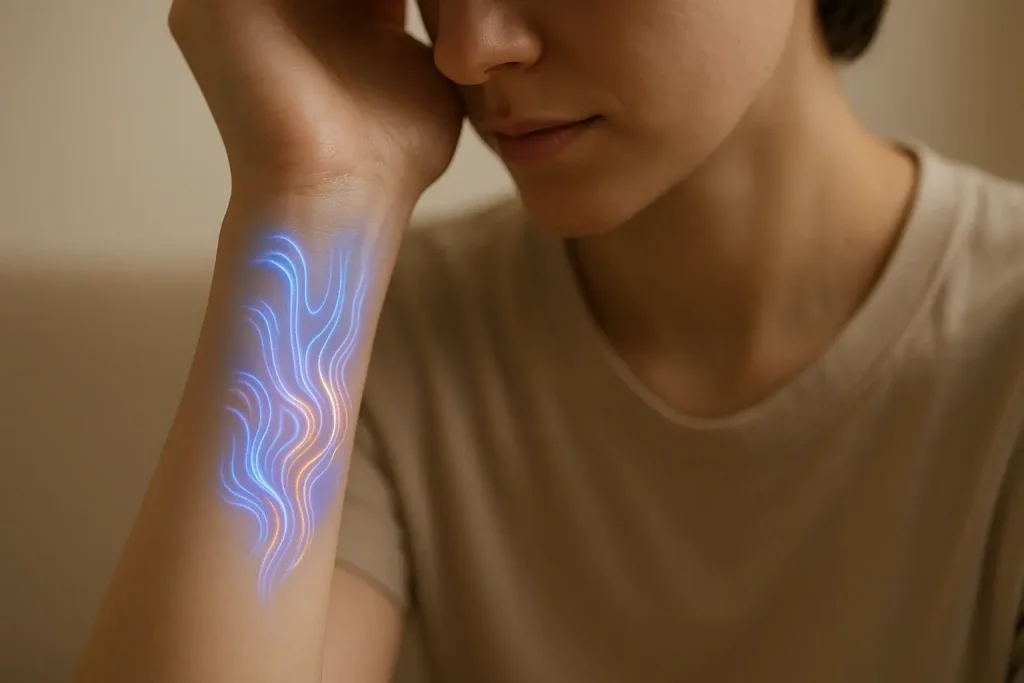
Emotional labor could significantly intensify for many. Consider a customer service agent. Her smart tattoo subtly signals rising stress. The customer, or manager, notices. Suddenly, the unspoken pressure to project constant calm becomes an explicit, visible demand. Psychologists might argue this constant performance, this visible emotional labor, could deeply tax mental reserves. AwareInk's analysis suggests this unspoken truth of wearable emotion warrants serious, proactive thought.
The long-term impact on human identity presents deep questions. Does constantly monitoring, and perhaps altering, our emotional displays diminish our innate capacity to feel? Or to express authentically? Our very understanding of self, of what constitutes genuine feeling, could subtly transform. Futurists speculate about a future where societal norms subtly enforce 'emotional correctness'. This raises the specter of emotional policing, a gentle coercion towards preferred states, potentially altering human identity itself.
The Emotional Divide: Access, Equity & the Digital Divide in Mood Tech

Innovation often carries a price. Mood-adaptive tattoos will likely follow this trend. Their initial high cost could forge an 'emotional digital divide,' excluding those unable to afford them. AwareInk's research indicates this exclusion disproportionately affects lower-income individuals and marginalized communities, limiting access to new emotional well-being tools.
The concern runs deeper than mere gadget ownership. This technology promises access to advanced self-awareness tools, not just novelties. Imagine one job applicant subtly showcasing tattoo-indicated emotional acuity; another, lacking the tech, might appear less capable, impacting career progression. AwareInk's findings suggest such scenarios could unfairly make emotional literacy a marker of socioeconomic privilege.
Ensuring equitable access is an ethical imperative. Manufacturers must design for affordability. Policy experts suggest exploring subsidies and community access programs. Society must champion inclusivity. AwareInk.tech stresses it's crucial this technology benefits everyone, not just a privileged few, fostering widespread emotional well-being.
Preparing for Tomorrow: Proactive Ethical Considerations for Mood Tech
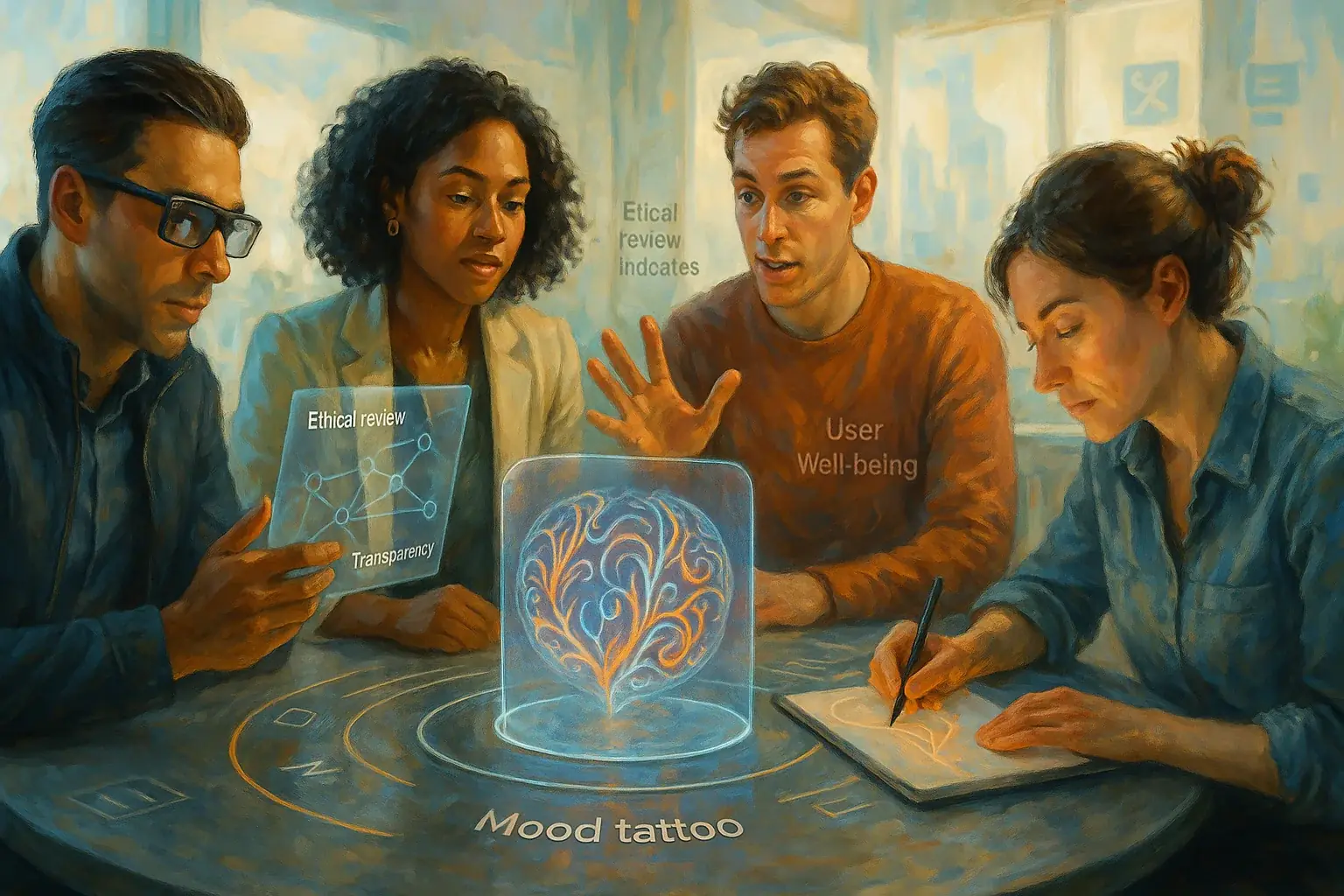
Mood tattoo futures remain unwritten. We have a clear chance. We can shape this technology responsibly. Proactive ethical discussions are therefore critical. An unspoken truth AwareInk's research uncovers: technology's true impact depends on our design choices and integration methods.
All stakeholders share this responsibility. Users: demand transparency. Innovators: prioritize human well-being. Policymakers must foster enabling regulatory frameworks. AwareInk's analysis suggests mood tattoos can become a powerful force for good. Achieving this vision demands our sustained, conscious effort.
AwareInk is committed to spearheading this crucial ethical dialogue. We believe technology should support human flourishing, ethically. Our core mission: to guide responsible innovation for mood-adaptive smart tattoos. A better future is possible. We will build it together.