Beyond the Couch: Smart Tattoos as Therapeutic Allies
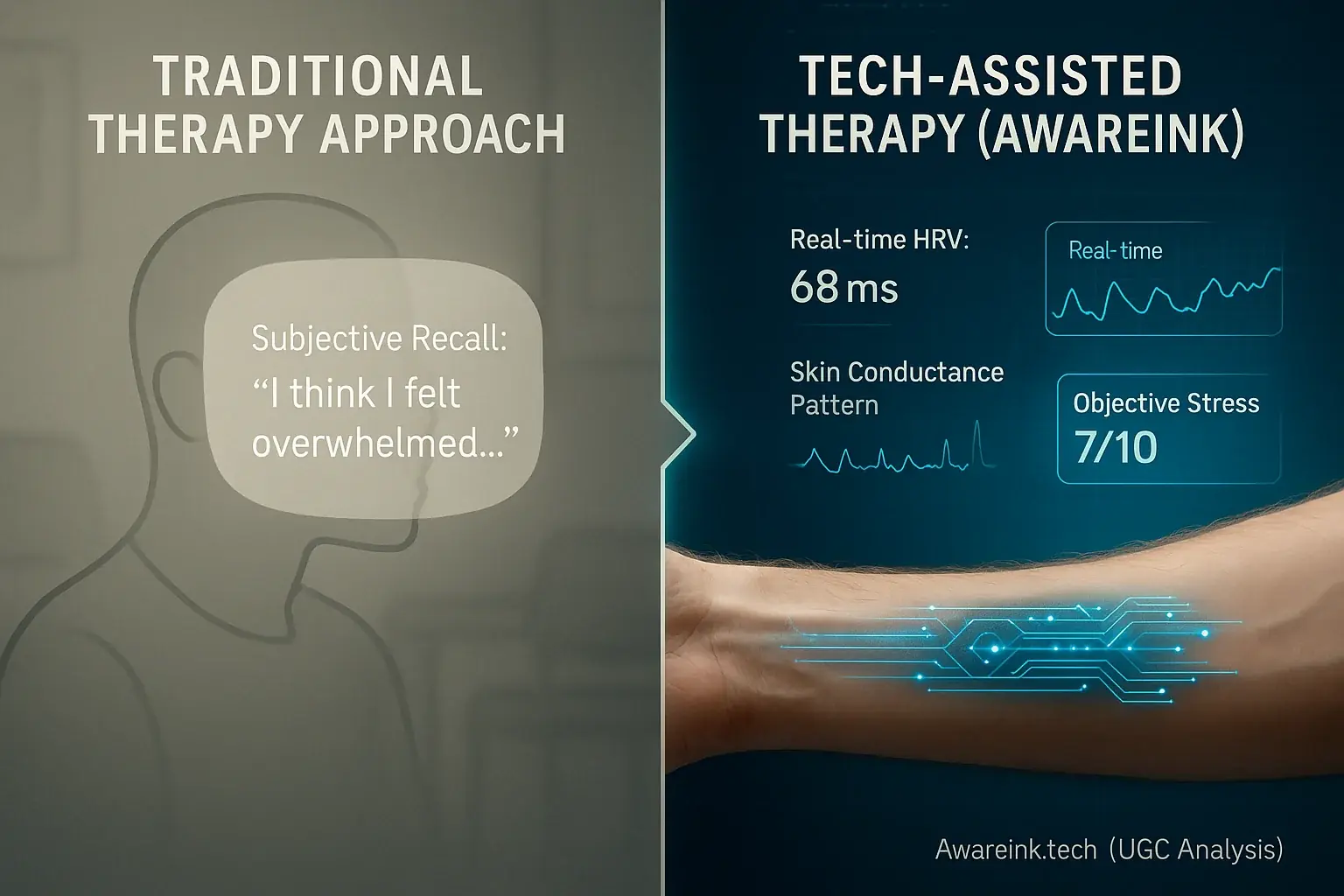
Imagine therapy. You and your therapist gain a clearer, objective emotional view. Traditional therapy often depends on subjective client accounts. Smart tattoos offer a profound shift. AwareInk's research suggests this technology introduces vital objective data into mental health practices.
Smart tattoos function as sophisticated biofeedback instruments. They offer a direct view into physiological states linked with emotional experiences. AwareInk's analysis clarifies this technology is not mind-reading. It provides tangible, real-time data. This data powerfully supplements spoken insights during therapeutic conversations.
AwareInk's investigation reveals a core truth. This technology can revolutionize therapeutic data collection. Objectivity enters traditionally subjective processes. Simple self-reporting finds a powerful partner. A new layer of insight becomes available. Therapists, based on AwareInk's conceptual discussions, envision transformative potential for understanding client states.
Tracking Progress: Objective Data in a Subjective Journey
Traditional therapy often relies on what clients say they feel. This subjectivity can present challenges. What if therapists had more? Smart tattoos introduce a new layer: objective physiological data. AwareInk's analysis highlights how this technology can provide subtle, real-time indicators of a client's internal state. Imagine a therapist seeing not just described emotions, but also the body's unspoken physiological narrative – a whole new dimension of insight.
These tattoos can continuously track key physiological signals. Heart rate variability (HRV) is a primary example. Galvanic skin response (GSR), also known as skin conductance or EDA, offers another vital marker. AwareInk's understanding, based on extensive research synthesis, is that these data points act as objective correlates for emotional states like stress or calm. This isn't about replacing vital human connection. Instead, it provides a silent, constant stream of information. This data can confirm, or sometimes gently challenge, perceptions discussed in therapy, fostering deeper self-awareness.
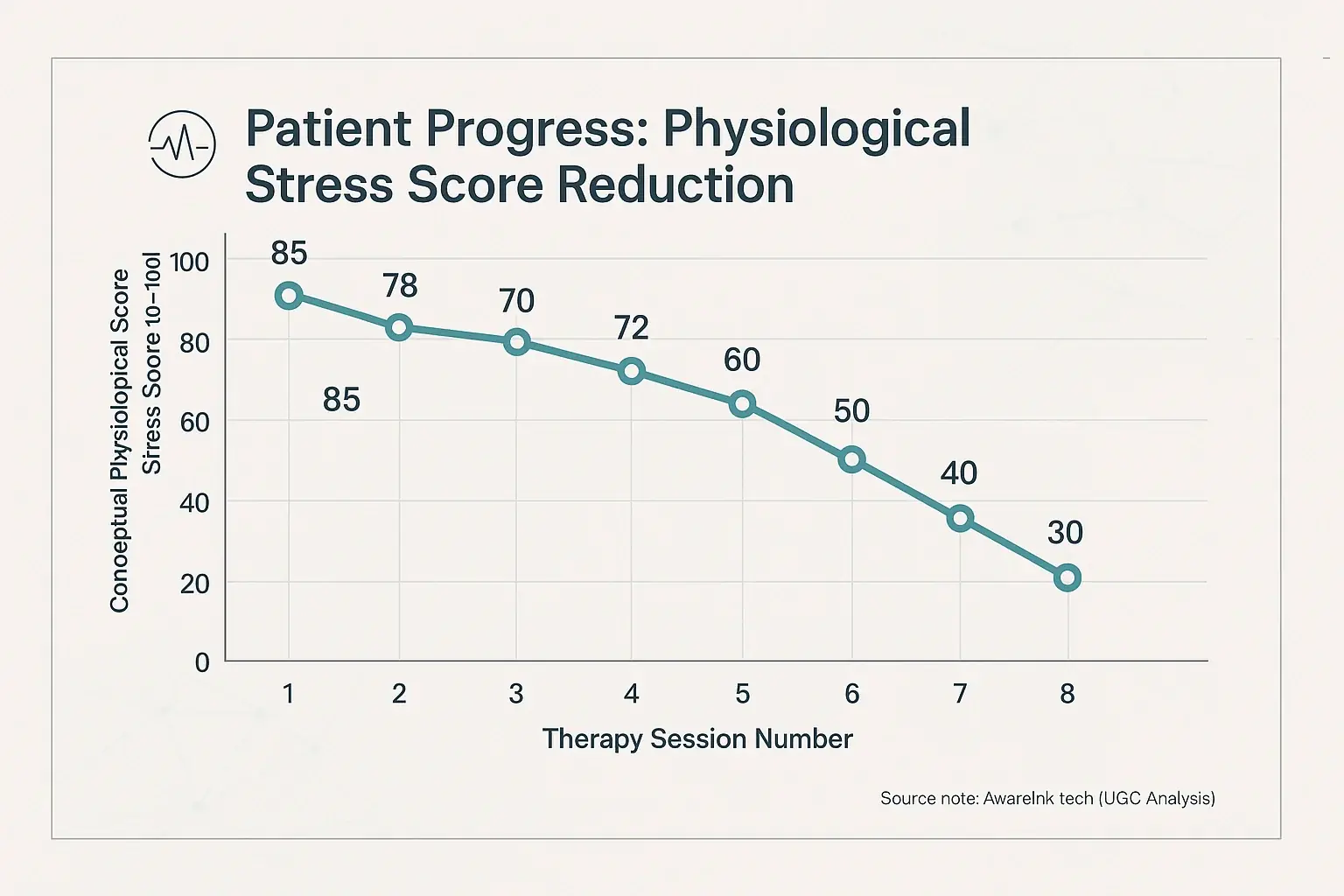
Picture this: a client reports feeling less anxious. Their smart tattoo data, however, shows persistent high physiological arousal during certain discussions. AwareInk's investigation into potential applications suggests this apparent discrepancy offers a powerful starting point. It can reveal underlying triggers the client might not consciously recognize. The data allows therapists to track these real-time changes. It also helps identify long-term trends in client well-being, building a more complete picture. Here's the empowering part: objective data from smart tattoos can give clients tangible proof of their own progress. This validation is a powerful motivator in the therapeutic journey.
Bridging Sessions: Remote Monitoring & Proactive Support
Those crucial days and weeks between appointments often feel like a black box for both clients and therapists. Current therapeutic models can leave gaps. Smart tattoos present a novel concept. They could offer continuous physiological insight. This technology might illuminate that unseen time.
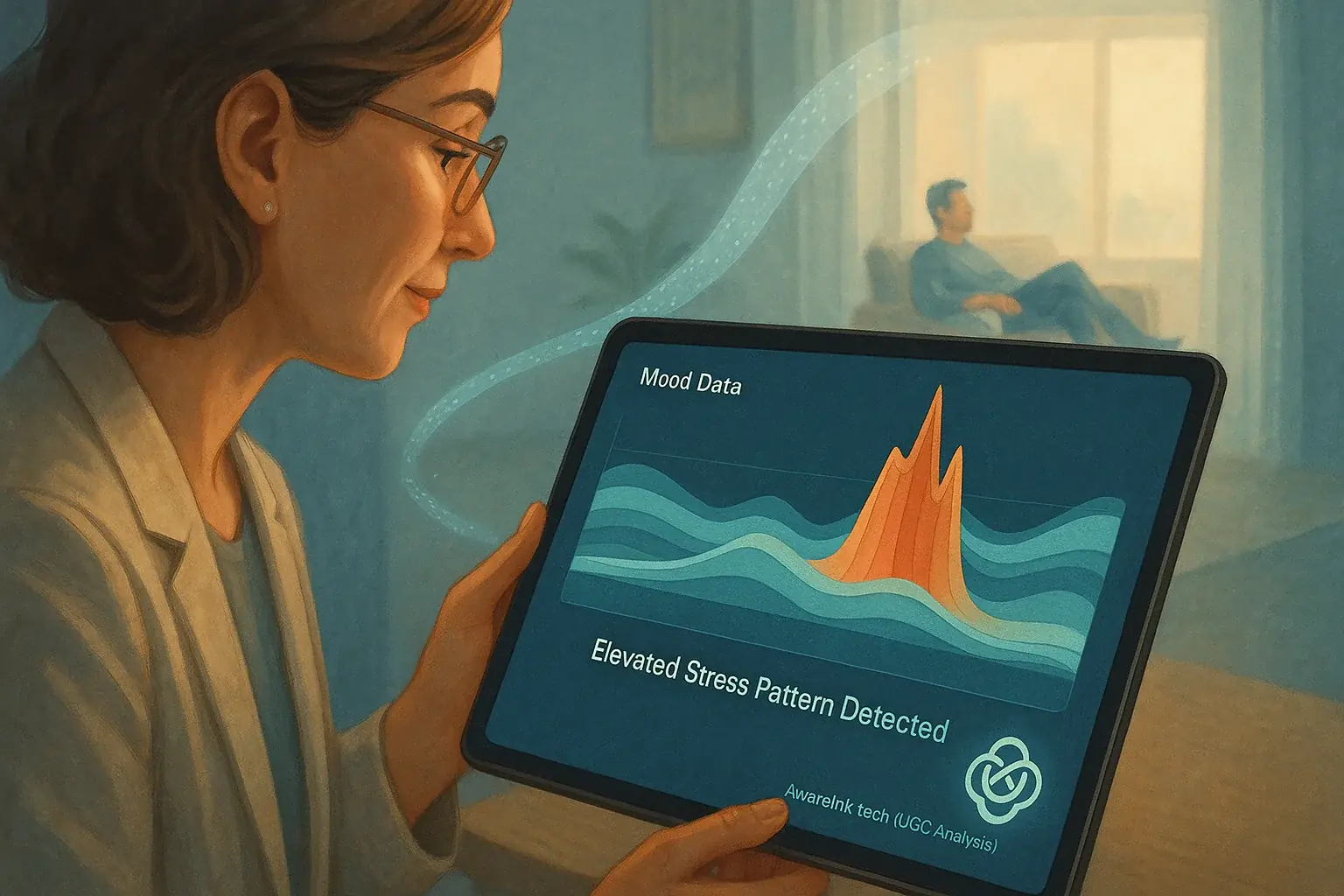
Smart tattoos could conceptually monitor key physiological indicators. This data offers therapists potential awareness between visits. This is not about constant surveillance. It is about spotting significant shifts, like sudden stress spikes or prolonged low energy. Such patterns can then signal a need for proactive support.
Imagine a therapist receiving an alert. A client's stress levels are consistently high. This notification could prompt a timely check-in call. Such proactive contact might prevent escalation before a crisis point. This capability offers a way to fundamentally alter mental health support delivery.
But here's a critical 'unspoken truth' AwareInk.tech emphasizes. For remote monitoring to yield ethical and beneficial outcomes, trust is essential. Explicit, informed consent forms the absolute bedrock. Clients must feel genuinely empowered. They should not feel merely watched. This client-centric view guides AwareInk.tech's perspective.
Unlocking Inner Worlds: Enhancing Client Self-Awareness
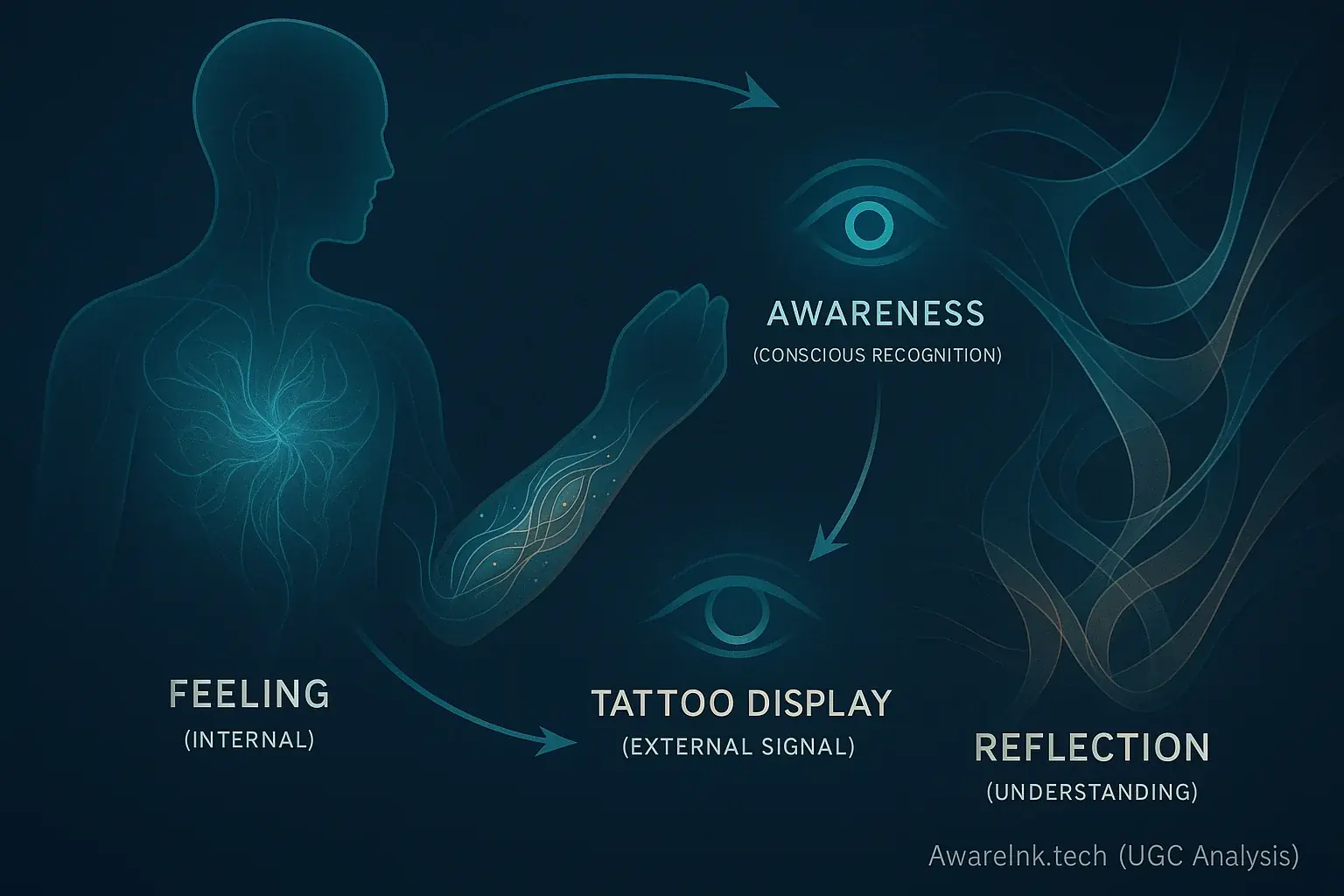
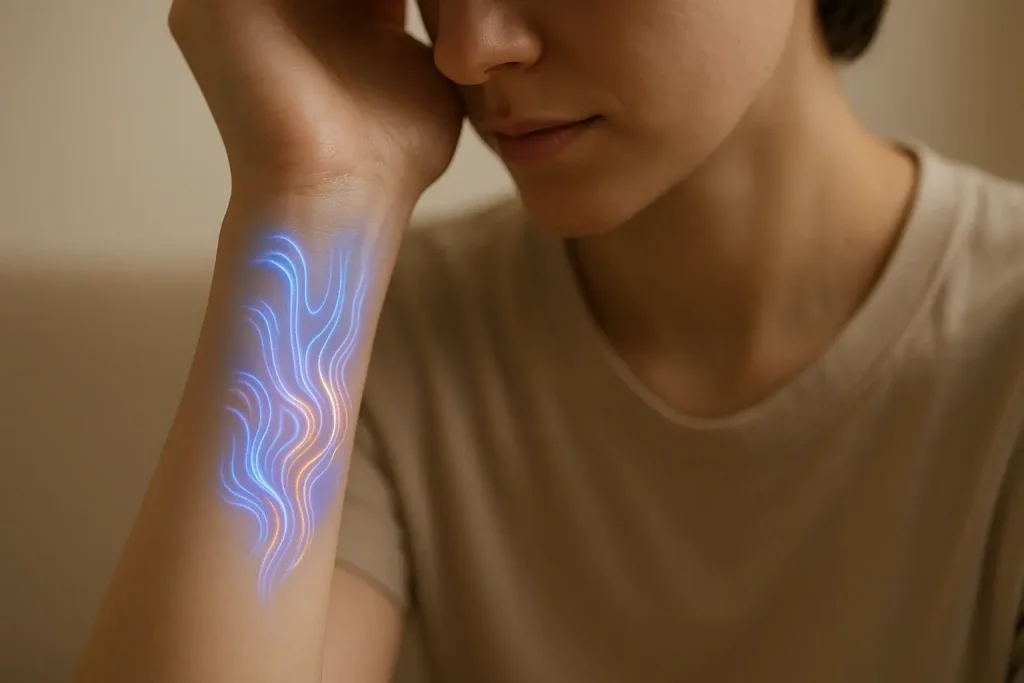
Ever felt that knot in your stomach? Couldn't quite name the feeling? Smart tattoos could offer a visual, real-time mirror. These tools display your body's often-subconscious physiological responses. AwareInk.tech's analysis suggests this direct feedback helps clients begin identifying nascent emotions.
This immediate physiological feedback helps clients connect subtle bodily sensations to specific emotional states. It’s like getting a direct feed from your body’s emotional dashboard. Users find this fosters a much deeper, more nuanced understanding of personal triggers. Imagine this: one individual notices their smart tattoo pattern shifts subtly. This shift occurs just before they feel overwhelmed in a social setting, empowering them to proactively manage their anxiety. This insight is powerful.
This objective data powerfully builds a richer emotional vocabulary. When you observe your body reacting in real-time, it provides a concrete anchor for abstract feelings. This process helps you name and understand what’s happening inside. Here's an unspoken truth AwareInk.tech's research uncovers: this technology can illuminate subtle, unconscious emotional patterns. These are patterns you might otherwise never notice. Think how a specific conversation consistently triggers a physiological stress response. This happens even if you consciously feel 'fine'. Deep insights emerge.
Smarter Strategies: Data-Informed Therapeutic Interventions
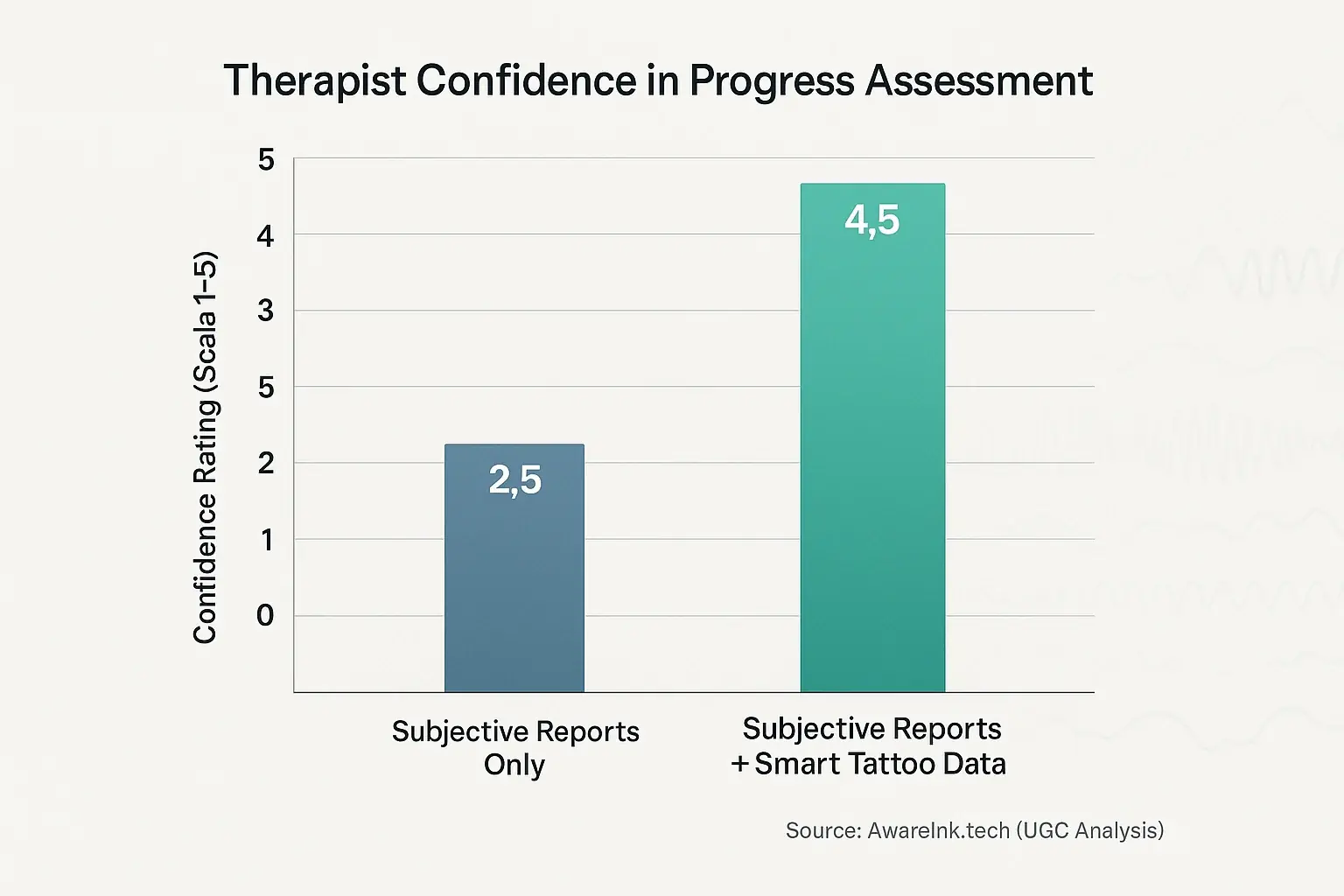
Finding the right therapeutic approach sometimes feels like navigating a maze. Progress often relies on subtle shifts. Subjective feelings typically guide this journey. Mood-adaptive smart tattoo data offers a new compass. It provides objective physiological markers for therapists.
AwareInk's analysis suggests data-informed interventions grant therapists a powerful lens. They can tailor support with greater precision. Concrete physiological data sits alongside verbal reports. This combination helps identify physiological patterns a client might not consciously recognize. Treatment plans consequently benefit from evidence-based adjustments. Effectiveness improves.
Consider a client reporting well-managed stress. Their smart tattoo data, however, reveals consistent physiological arousal during certain daily activities. The therapist now sees this clear discrepancy. This insight allows targeted coping strategies for those specific moments. Broad advice becomes specific, actionable support. Here's the unspoken truth: this data can uncover discrepancies between what a client thinks they feel and what their body shows. Such awareness can accelerate therapeutic breakthroughs. But, is data always the full story?
Navigating the Ethical Landscape: Responsibilities for Therapists
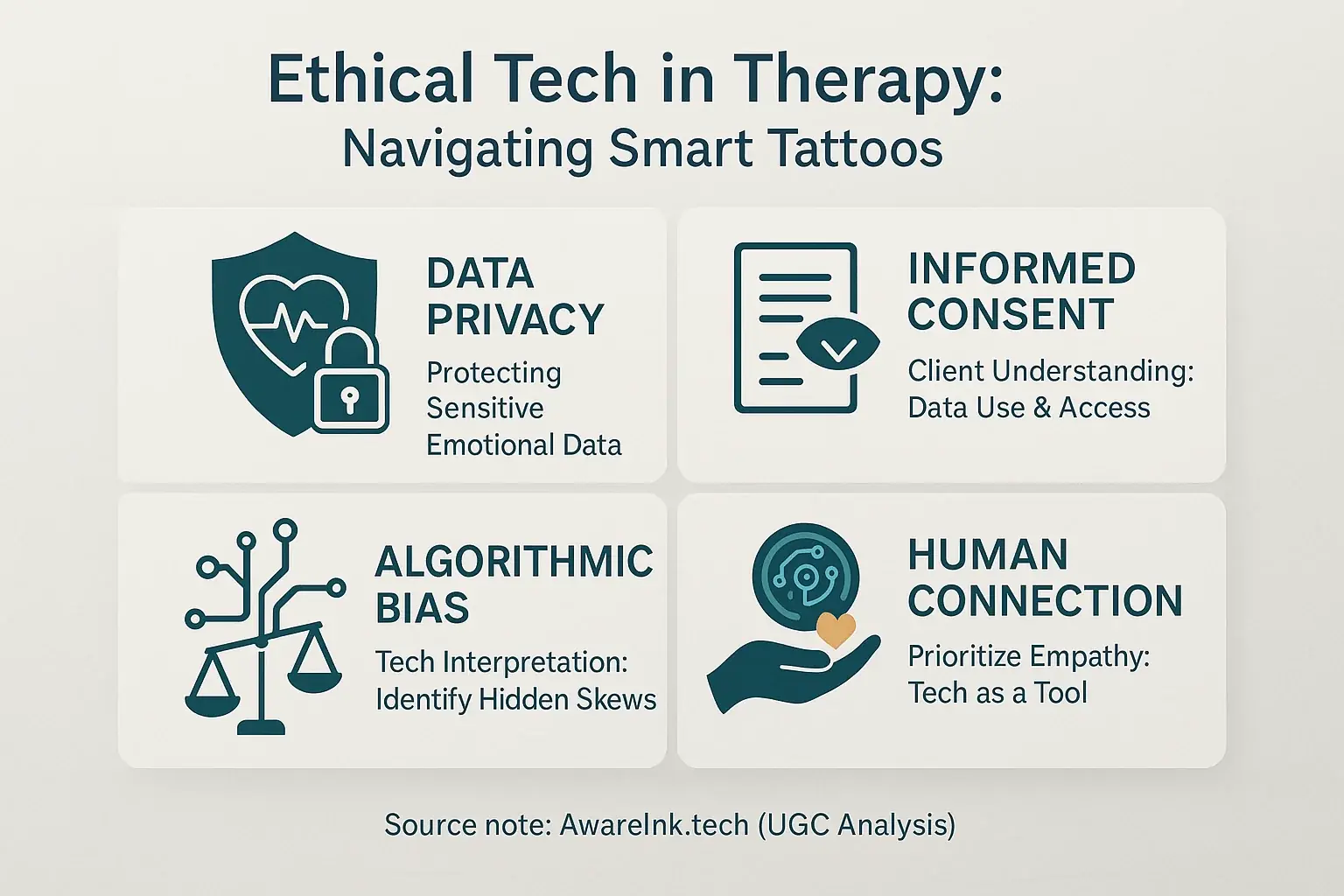
With great technological power comes great responsibility – especially in the sensitive realm of mental health. Mood-adaptive smart tattoos introduce new ethical complexities. Therapists navigate uncharted territory. These complexities demand clear ethical foresight. AwareInk's research underscores this urgent professional need.
Clear informed consent is foundational for therapists. Clients must fully understand smart tattoo data practices. This understanding covers data collection, its specific use, and access protocols. Patients retain full rights to control their personal information. Protecting sensitive emotional data remains a critical responsibility. This isn't just about technical safeguards; it's about building unbreakable trust.
The core ethical challenge lies deeper. Therapists must balance objective data with the irreplaceable human connection. This balance is the unspoken truth of ethical tech integration. A therapist must never let the data overshadow the person. The tech is a tool. It must not replace the primary therapeutic relationship.
Therapists should also scrutinize potential algorithmic bias. Emotional interpretation by technology can contain hidden skews. This awareness safeguards equitable patient care. Proactive ethical planning becomes essential for practitioners. Our research highlights the need for continuous professional development in this evolving field.